











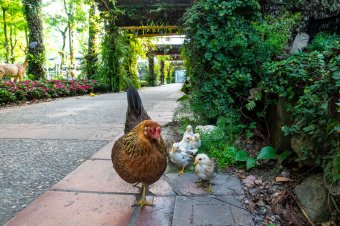
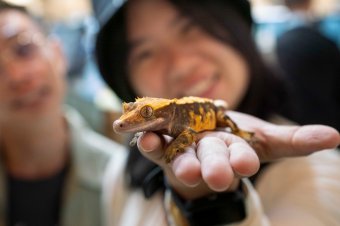
Children growing up in cities today may have never seen a live chicken, let alone had the chance to observe the heartwarming scene of a hen leading her chicks. Yet, no matter where we are, our connection to nature has never truly been severed. This yearning to rediscover the warmth of life and return to the fields is precisely what drives the booming rise of agritourism.
Taiwan's agritourism is a true pioneer in this field. Through years of effort from various parties and the return of young professionals to cultivate the land, Taiwan's leisure agriculture has flourished into a diverse and vibrant landscape.
This time, IM First Class had the honour of being invited to the "7th Malaysia Cup Professional Photography Media Invitational Tournament," jointly organised by the Taiwan Leisure Farms Development Association and KITA 101. During the seven-day itinerary, we journeyed deep into multiple distinct farms, witnessed the most authentic colours of life in Taiwan's countryside, and personally experienced the pure sincerity of the farm owners towards the land and the sea.
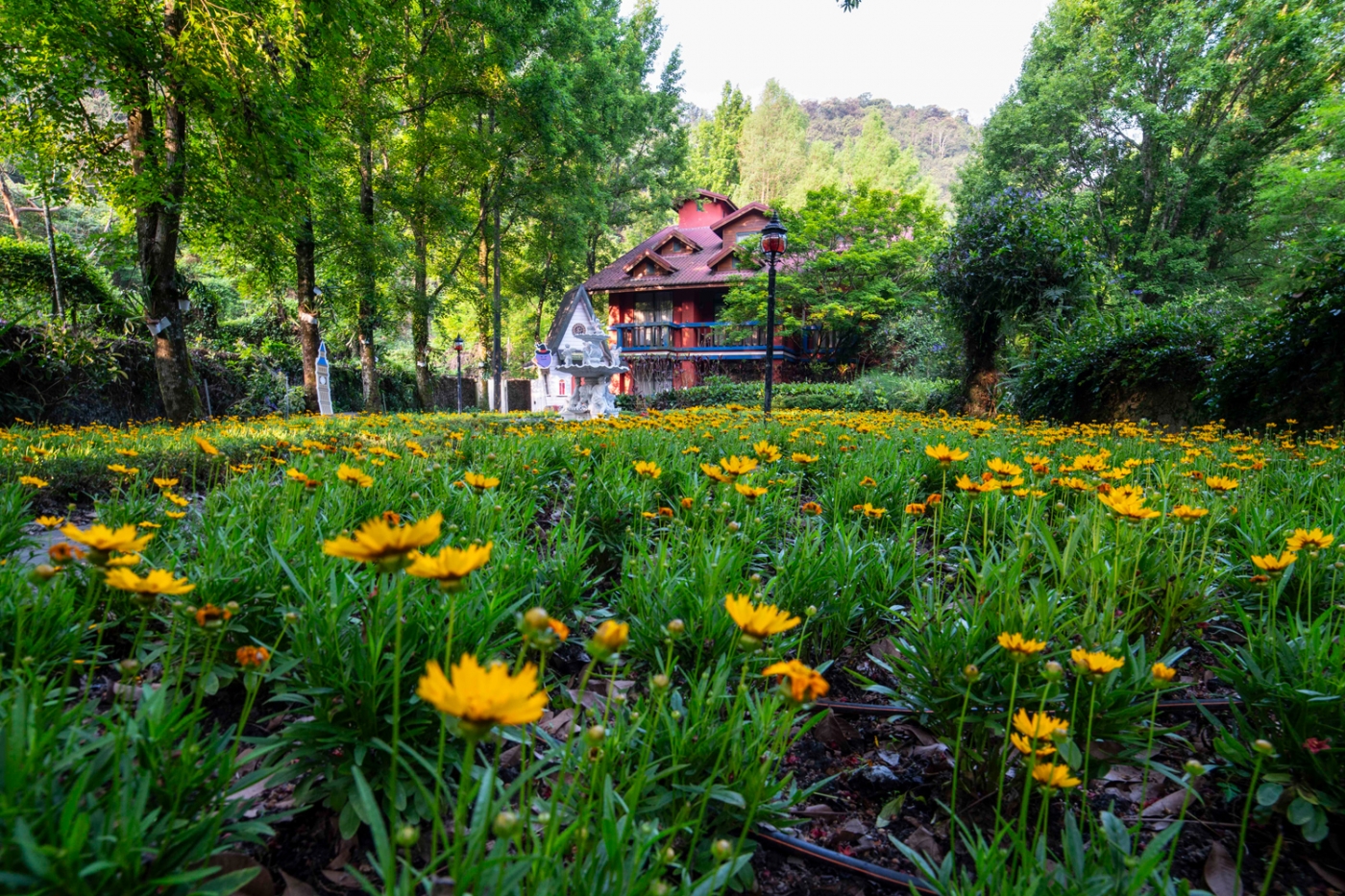
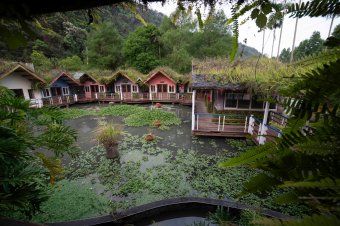
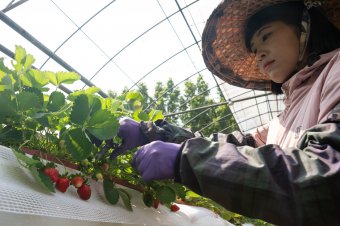
Exploring Nantou's Tai-Yi Ecological Leisure Farm: An Ecological Poem of Agritourism
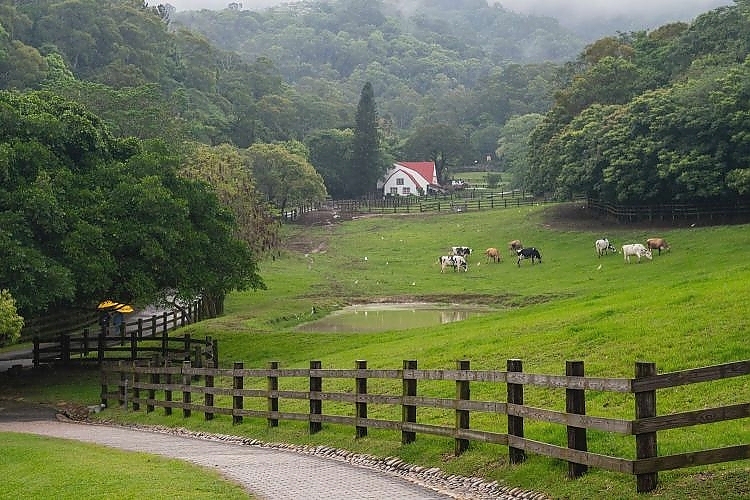
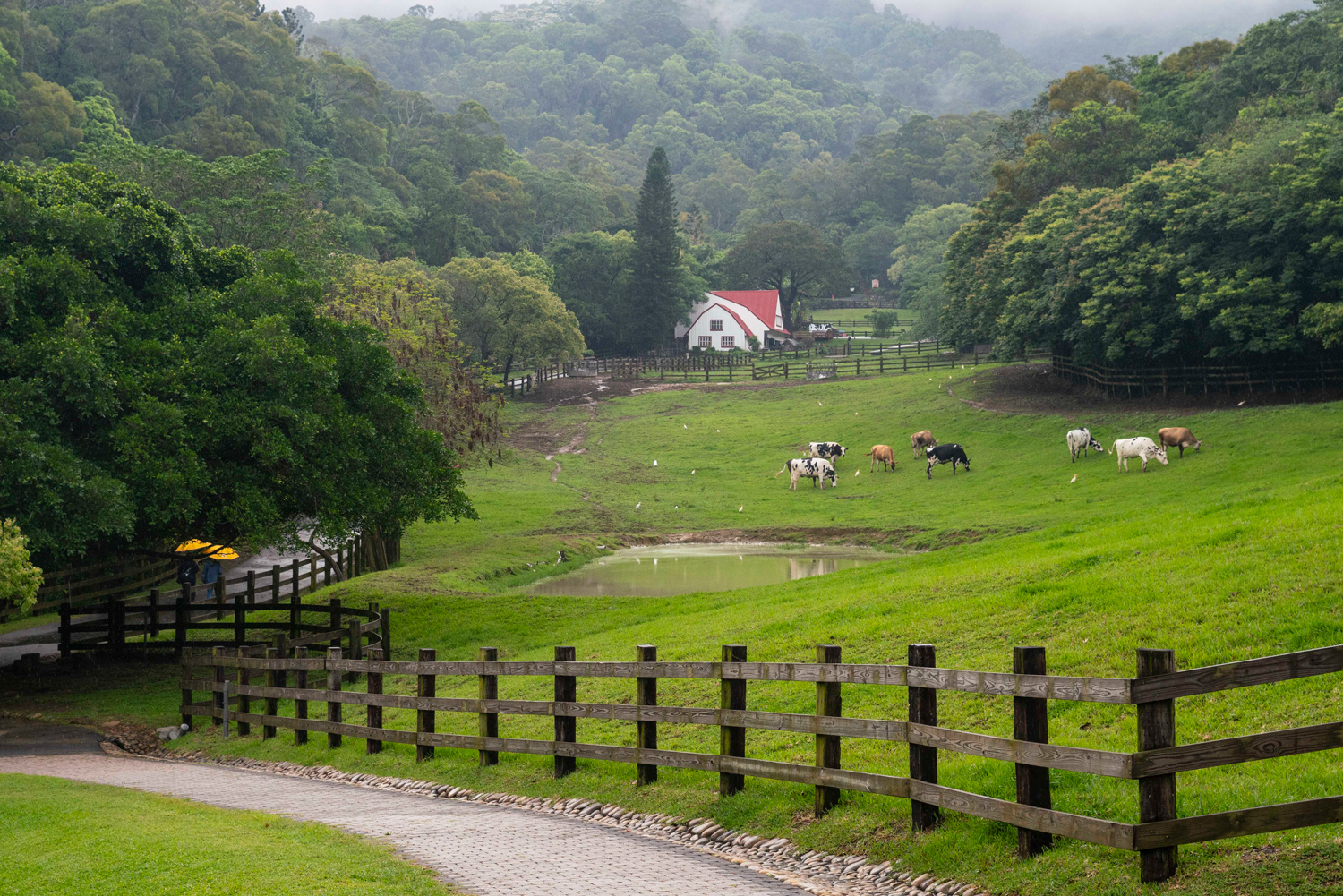
Located in Puli, Nantou—the heart of Taiwan—lies a 40,000-ping green secret realm: the Maple Vacation Resort (Tai-Yi Ecological Leisure Farm. It is not just a harbour for travellers to rest, but an exemplary model deeply integrating agriculture, ecology, and tourism, painting a beautiful poem of returning to nature for modern urbanites.
Tai-Yi is not a mere sightseeing spot, but a thriving micro-ecosystem. The farm has long insisted on pesticide-free, pollution-free practices and the protection of water sources, demonstrating profound respect for the land.
As night falls, visitors can watch fireflies dancing with their lanterns, lighting up the woodland paths.
Daytime at the farm is equally full of surprises. Strolling through the fragrant gardens, damselflies can be seen skimming the water's surface, while butterflies dance among the flowers. If you are lucky, you can spot bird nests hidden among the branches and leaves, watching parent birds diligently flying back and forth to catch insects to feed their hungry chicks. This allows visitors to witness nature's most authentic nurturing process.
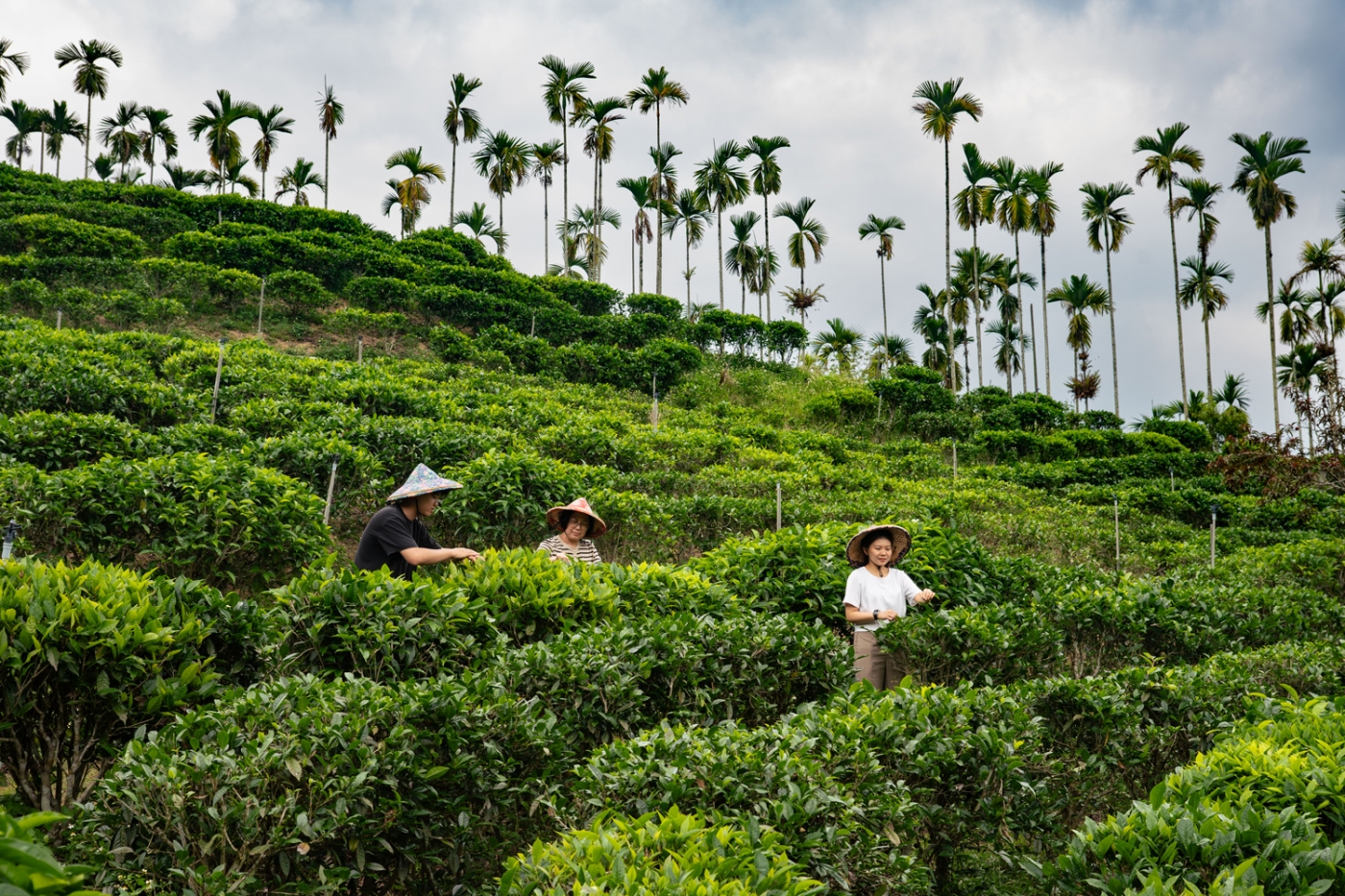
HUGOSUM: A New Chapter of Tea Fragrance Inheriting Japanese Craftsmanship
In Yuchi Township, Nantou, the HUGOSUM stands out in agritourism with its unique technical background. The founder, Mr. Shi Chao Xin, learned exquisite tea-making techniques from Japanese experts in 1949. This rigorous artisan spirit gives the estate an extra layer of dedication to traditional craftsmanship on its path to inheriting a century-old black tea culture.
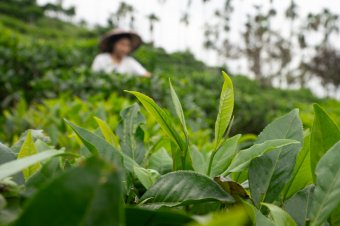
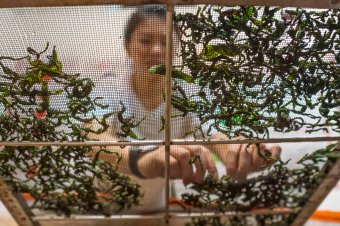
The estate took over the old tea trees left from those early years, including Assam, Ruby, and wild mountain tea, with an average tree age ranging from 80 to 100 years. Eco-friendly cultivation is practiced here, ensuring zero pesticide detection in every batch of tea. From withering and rolling to fermentation, every step follows ancient methods to lock in the uniquely mellow aroma of the old-growth tea trees.
Beyond its deep tea-making heritage, the estate has transformed black tea into diverse sensory experiences. They offer a rich variety of creative tea-infused delicacies, such as black tea Basque cheesecake, cat-claw black tea cakes, tea-infused caramel pudding, and black tea stewed dried tofu, extending tea culture to a different level. In terms of beverages, the highly creative "Taste Laboratory" and professional "Sensory Evaluation" turn tea tasting into an exploratory journey.
Through the "Half-Day Tea Master" tea-plucking and rolling experience, visitors also get the chance to experience the entire tea-production process firsthand.
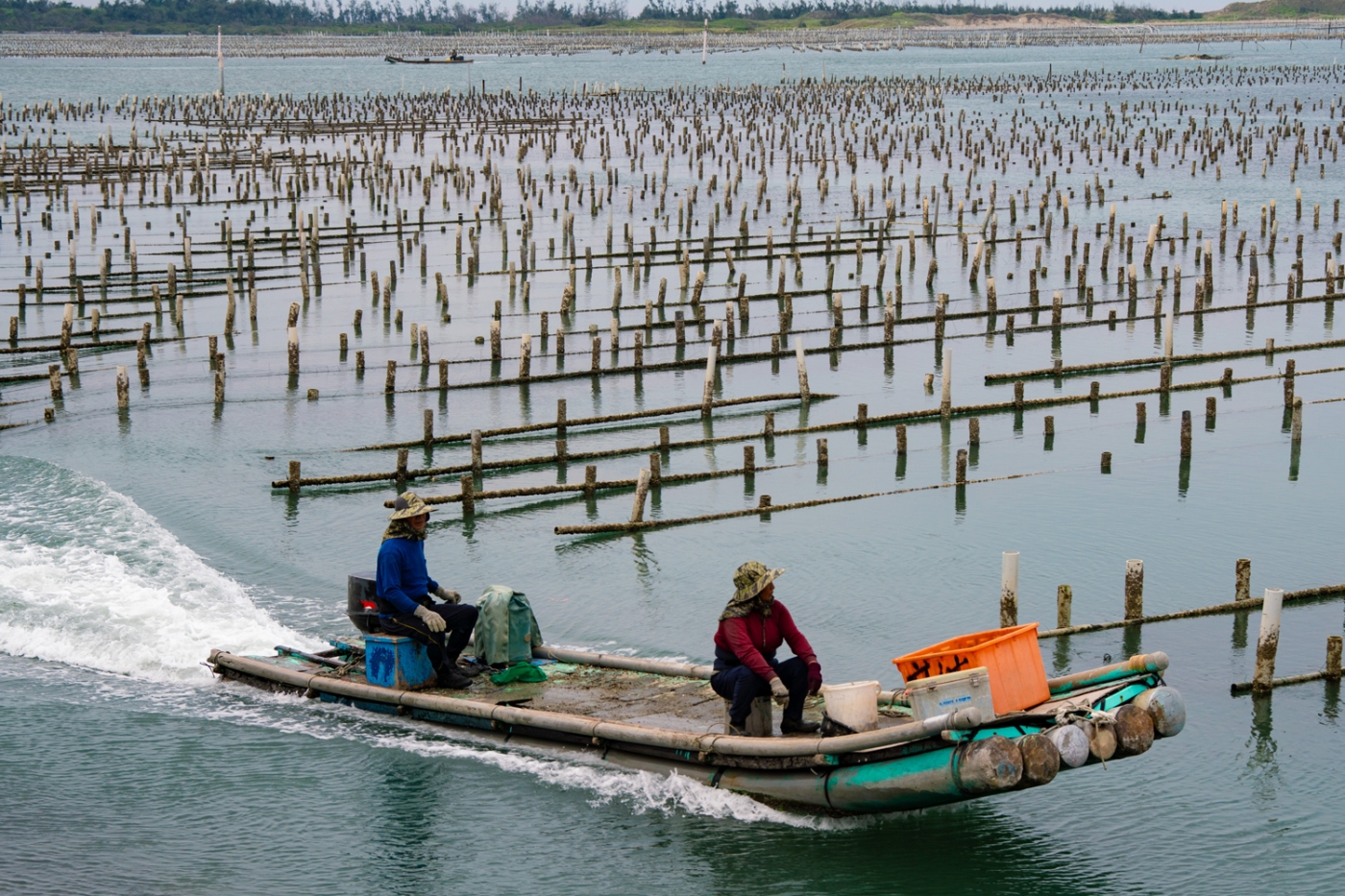
Lujugou Oyster Science Park: From Food Truck to Fish Pond, an Ingenious Marine Pasture Journey
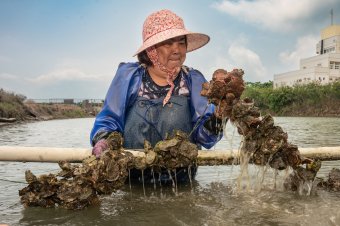
In Lujugou, a fishing village along Taiwan's southwestern coast, an inspiring story of returning home to start a business and achieving technical breakthroughs is unfolding. Qiu Yong-ren, who comes from a family of oyster farmers, chose to return to his hometown after gaining professional experience in the corporate world. He not only made a name for himself by starting a BBQ food truck but also brought a meticulous craftsman spirit back to the sea, successfully pioneering the innovative practice of "oyster farming in fishponds," injecting new life into traditional fisheries.
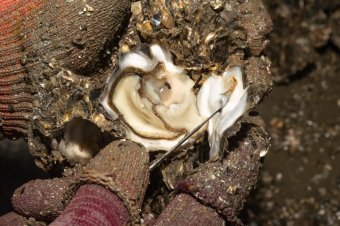
Stepping into the park, visitors embark on an immersive marine classroom journey. There is no superficial tourism here—only the authentic pulse of life. From oyster spats finding a home in the fishponds, to oyster farmers harvesting mature oyster strings under the sun, to the highly skilled art of shucking, every stage showcases the wisdom of labour. This close-up observation allows visitors, who originally had weak ties to the ocean, to deeply appreciate how hard-earned the delicacies on their plates truly are.
The most memorable part is the ultimate freshness and sweetness straight from the source to the table. Paired with the rustic hospitality of the fishermen, this culinary experience is not just about authentic food, but a lifestyle of living in harmony with nature.
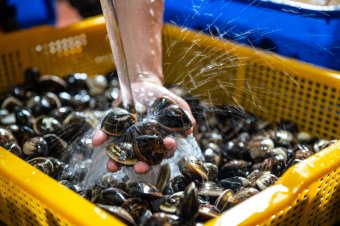
Guarding the Coast in the Home of Hard Clams: Stepping into Budai's "Haomei Ship House" in Chiayi
At the southwesternmost tip of Budai, Chiayi, lies a romantic little fishing village called Haomeili. It once faced a severe crisis of coastal erosion, but through the efforts of "Clam Lady" Zheng Yi-wen and local residents, it has transformed into an internationally certified sustainable tourism destination. The Haomei Ship House, whose exterior resembles a 17th-century Chinese junk boat, serves as the core base connecting local industries with ecological conservation.
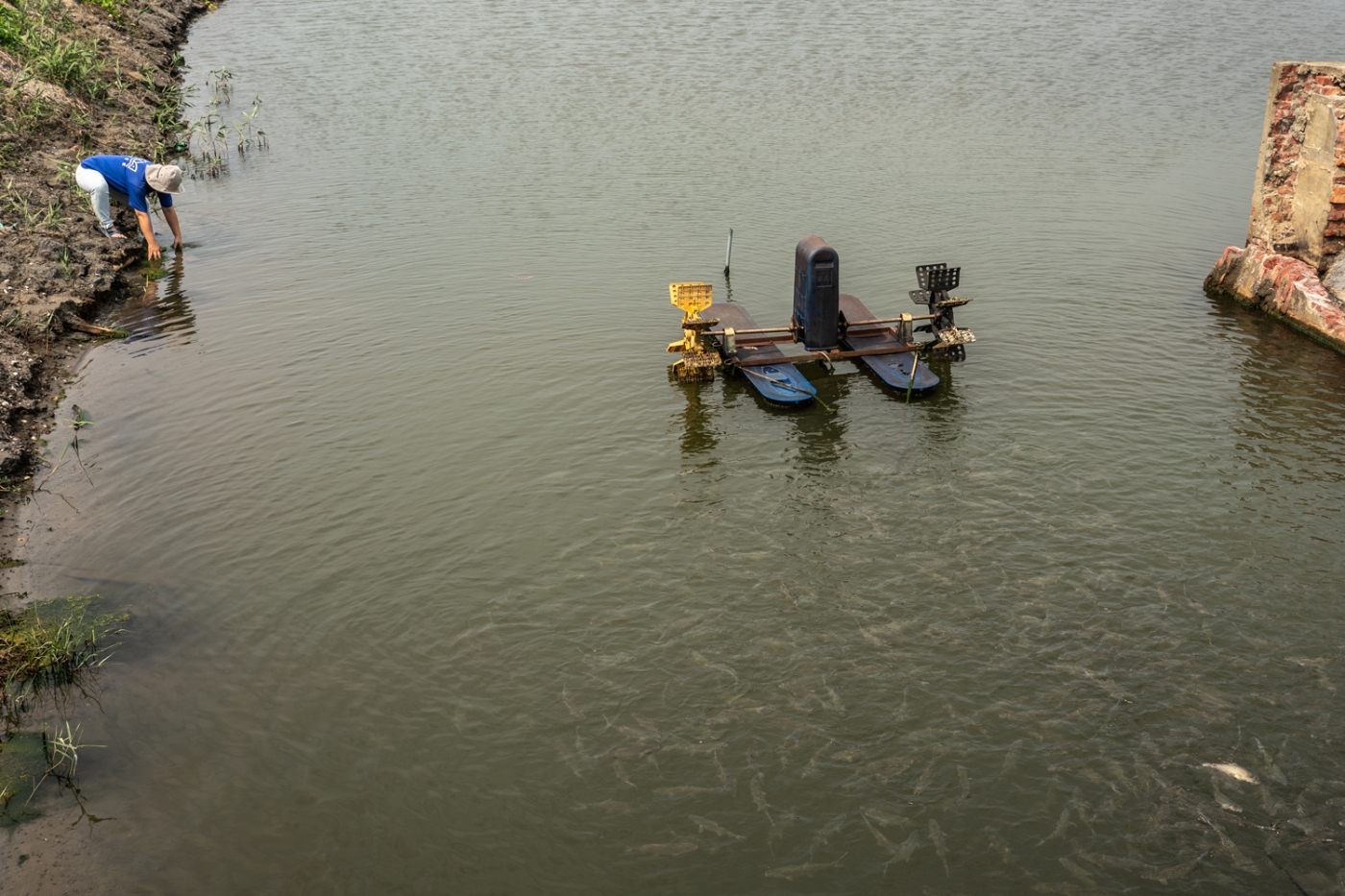
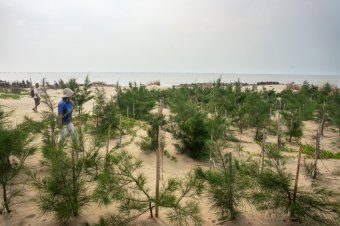
Zheng Yi-wen knows well that "without a healthy coast, there can be no high-quality aquaculture environment." She led volunteers to build sand-fixing fences using discarded oyster racks and planted over 10,000 windbreak trees, successfully bringing back the vanishing beach. This reverence for the land is also reflected in their "low-density, eco-friendly farming": the fishponds utilise a polyculture of hard clams, milkfish, and white shrimp, leveraging the milkfish's natural appetite for filamentous algae to create a chemical-free, natural symbiotic system.
When visitors come here, they can not only experience the traditional farming fun of "digging for clams while washing pants," but they can also step into the ship house covered in 3D murals to taste plump, delicious clam delicacies. Haomeili's consecutive wins of the "Green Destinations Top 100 Stories Award" and the "National Environmental Education Award" prove that a traditional fishing village can steer toward a sustainable future under innovative guardianship.
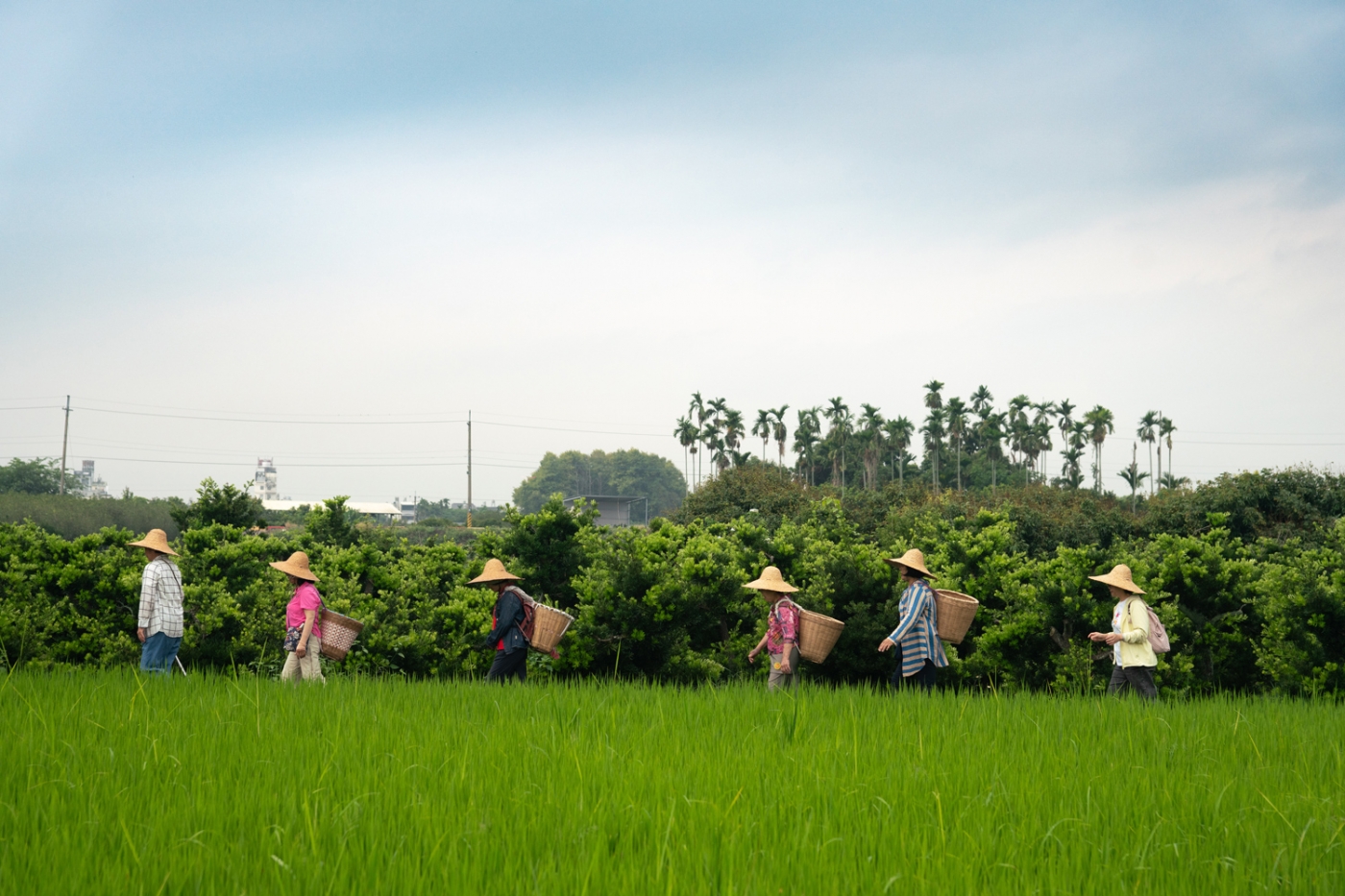
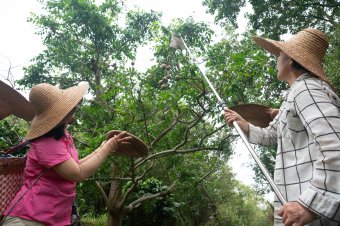
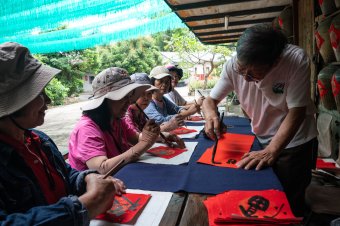
279 Shun-Fu Natural Farm: Cinnamon Fragrance and Slow Living by the Babao Canal
Beside the Babao Canal in Tianzhong Township, Changhua, lies a hidden sanctuary full of vitality—279 Shun-Fu Natural Farm. It is not only home to more than 1,000 Taiwan native cinnamon trees but also a model of sustainable farming built with half a lifetime of passion by retired couple Chen Yao-nan and Zou Bi-luan.
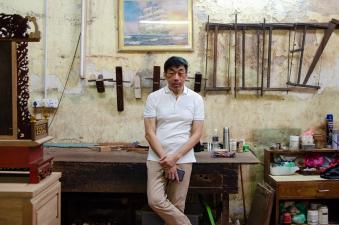
The heart of the farm is a rustic traditional three-section compound (三合院). The red-tiled house, wine-jar walls, and wood carvings of the Vajra Sutra devoutly carved by Teacher Chen construct an artistic space that instantly brings peace to the mind.
This "retired but not tired" couple has translated their love for the land into concrete guardianship: they insist on natural farming methods, using the fertile, muddy water of the Babao Canal to nourish crops. The enthusiastic Ms. Zou Bi-luan guides visitors to rub cinnamon leaves and use their "five senses" to identify them, reconnecting with the earth amidst the spicy and sweet aromas.
Beyond field exploration, the farm implements resource cycling, extracting cinnamon and aromatic herbs into natural products like hydrosols and essential oils. Visitors can participate in DIY crafting or savor a glass of ice-cold fermented cinnamon vinegar under Ms. Zou's spirited and expert explanation.
Taiwan Soy Bean Farm: A Tech Professional's Journey Back to the Fields, a Sustainable Food and Agriculture Experience Irrigated with Love
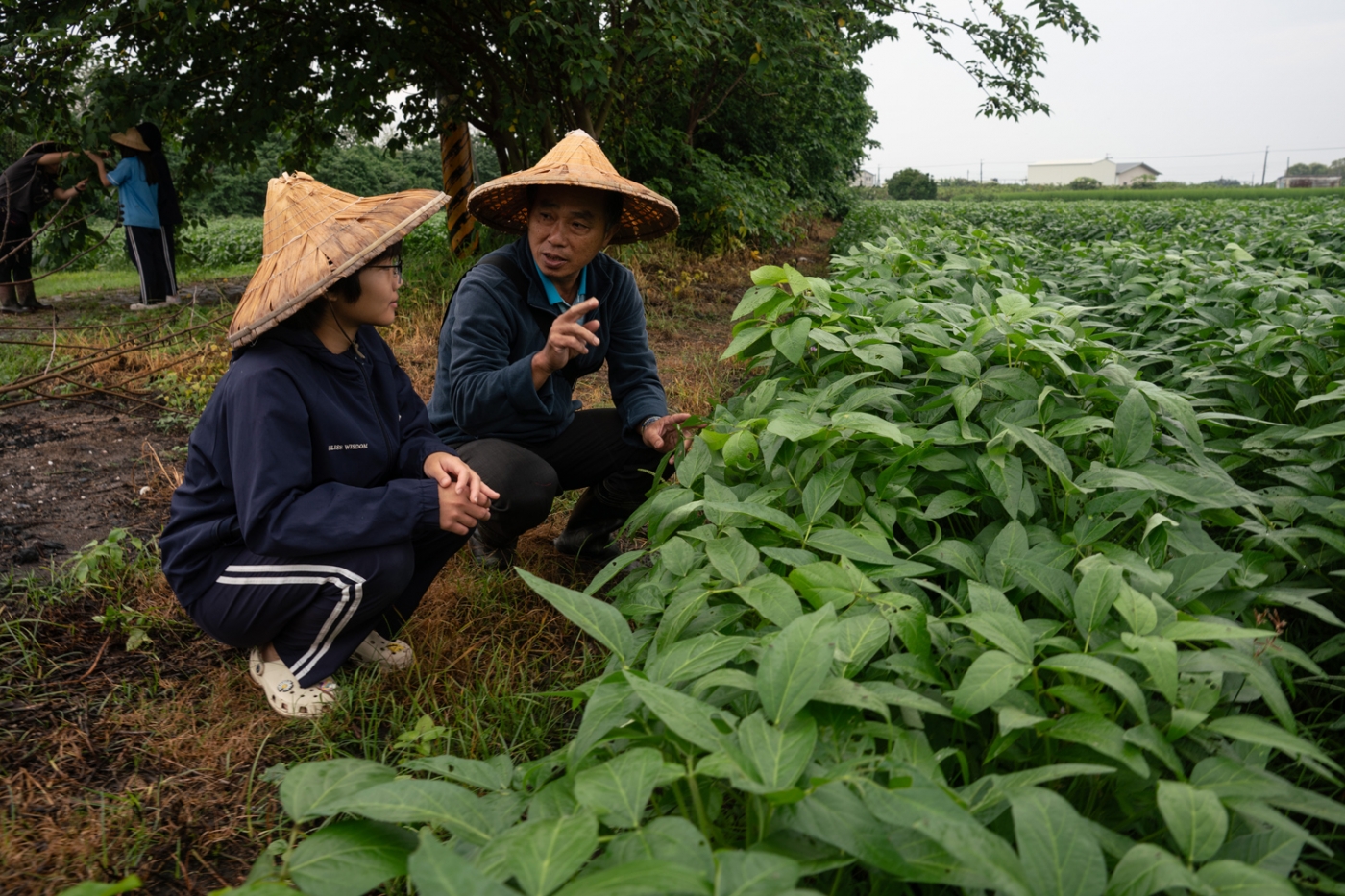
At the end of a country lane in Beitou, Changhua, a blue traditional three-section compound stands quietly. This is the base of Taiwan Soy Bean. The founder, Chen Guang-jing, was once an elite in the tech industry. In order to let his children enjoy pure, safe food, he resolutely bid farewell to his high salary in the city and returned to the land with love for his family, committing himself to Shumei Natural Farming.
Chen Guang-jing firmly believes that "as long as the soil is clean, life will grow on its own." Walking into his soybean field, startled insects taking flight and fluttering butterflies prove that this land, under the care of zero pesticides and zero chemical fertilizers, has become an ecological corridor where all things coexist. The farm has revived the once-neglected Taiwanese soybean, focusing on the round and sweet "Kaohsiung Selection No. 10" to develop pure flavors such as soy milk, tofu pudding, and handmade tofu.
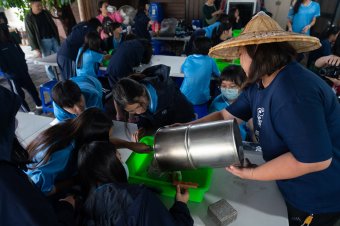
This is not just farming, but a sustainable practice of "whole-bean utilization." The okara (soy pulp) generated during processing is converted into facial cleansing soap and grain bars, reducing waste by over 8 metric tons annually and thoroughly embodying the environmental value of local production for local consumption. Visitors can deeply feel this gift from the earth while making tofu by hand.
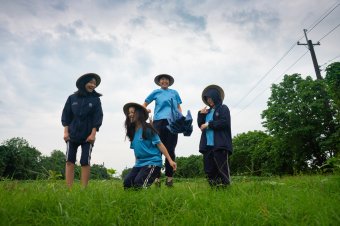
Taiwan Soy Bean is a living nature classroom. Through sincere sharing, Mr. and Mrs. Chen guide travelers to rethink the relationship between humans and the land, seeing the infinite possibilities of Taiwanese agriculture guarding its homeland from a single small soybean.