









A growing number of travellers are planning trips around running – shifting from passive itineraries to more intentional, movement-led travel.
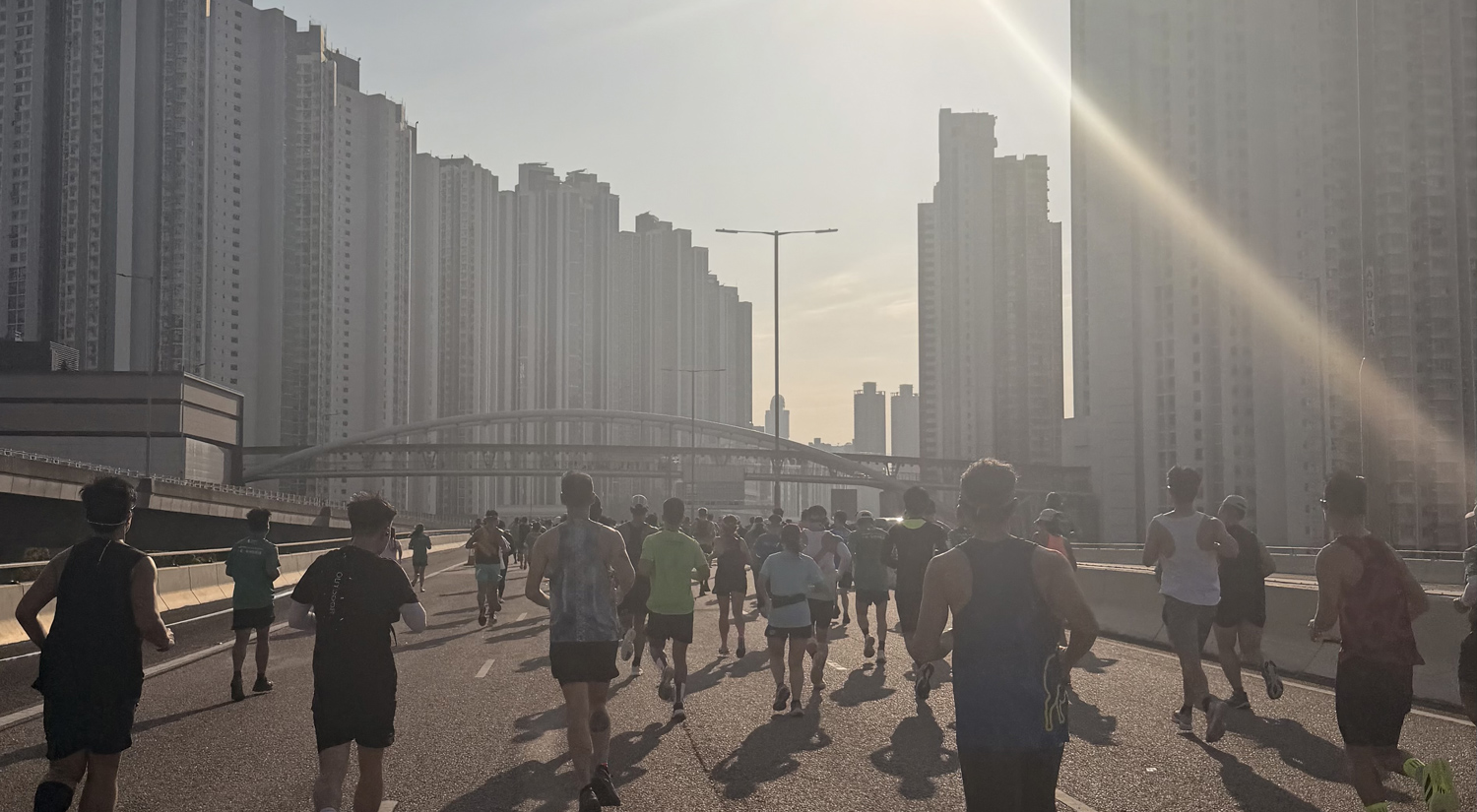
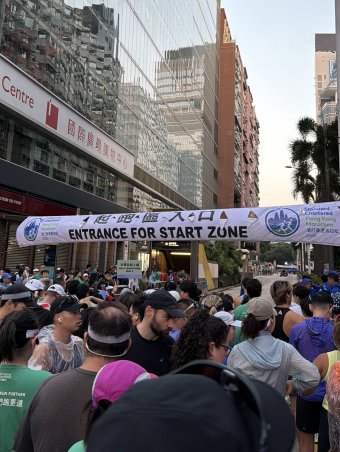
On a Sunday morning in January, 74,000 runners gather at the start line in Tsim Sha Tsui in Hong Kong. The Standard Chartered Hong Kong Marathon 2026 operates on a ballot system, with demand far exceeding available slots each year. I travelled from Kuala Lumpur for a weekend to run the half marathon – an approach that, increasingly, feels less unusual than it once did.
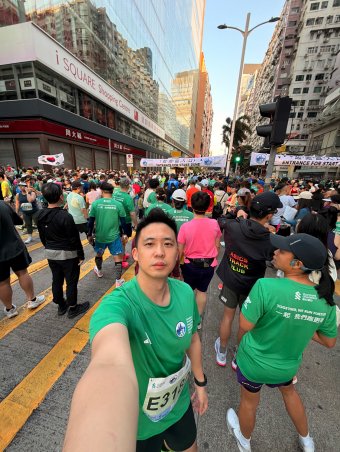
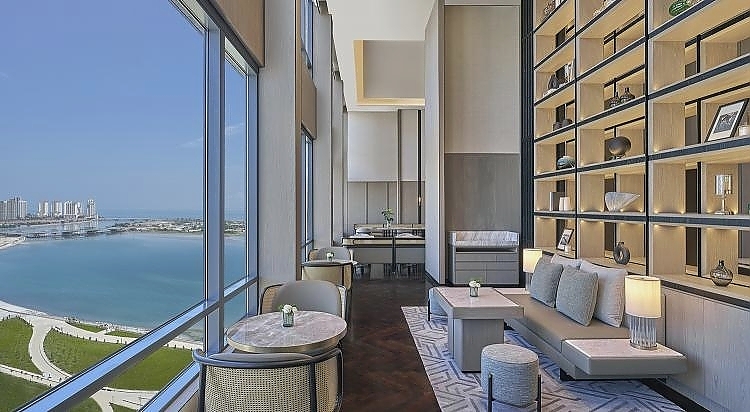
Run-cations, or workout holidays, are becoming a distinct pattern in how people travel. Trips are no longer built solely around where to stay, but around how a place can be experienced on foot. Participation in organised races (such as marathons and HYROX competitions) continues to grow, while run clubs have expanded beyond local communities into cross-city networks. Travellers now use platforms such as Strava and Instagram to identify routes and communities in unfamiliar cities. Hotels have also adapted, offering mapped running routes, early breakfast options, and proximity to parks or waterfronts as part of the experience.
Race morning in Hong Kong was notably efficient. Staying within walking distance of the start line removed the usual friction, allowing the experience to begin without urgency. Roads were closed, the route was clearly managed, and along Nathan Road, residents gathered to support runners – creating a steady, consistent energy throughout the early stages. For a visiting runner, it made it super easy to feel part of the city.
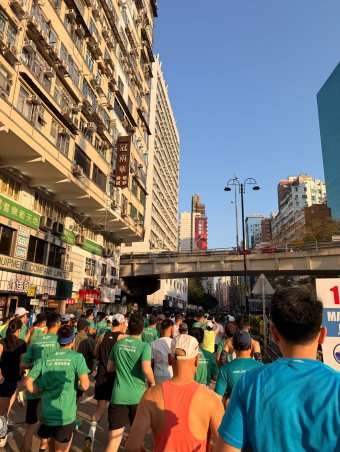
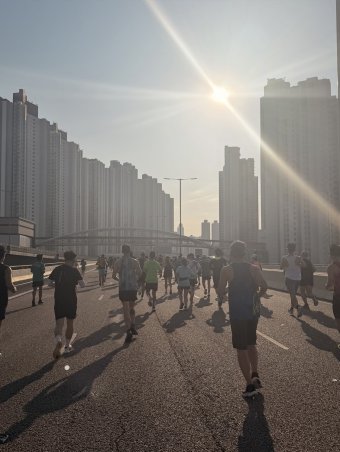
The course required a shift in approach as it progressed. By the 18th km, the focus moved from pace to control – managing effort, holding rhythm, and maintaining focus under fatigue. It became less about speed, and more about consistency.
“In Hong Kong, the city runs with you. In Penang, you run through it.”
In Penang, the George Town Half Marathon began before sunrise, with minimal crowd presence. Running through George Town offered a quieter environment – rows of shop lots, largely empty streets, and a noticeably slower pace compared to larger events. That difference shaped the experience. The attention shifts to pacing and endurance.
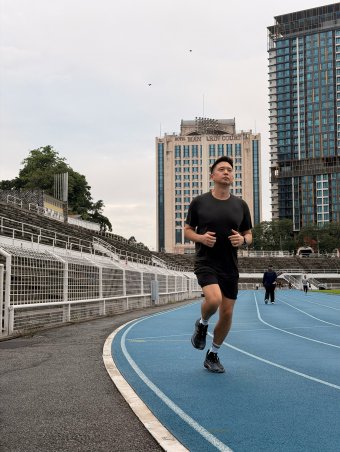
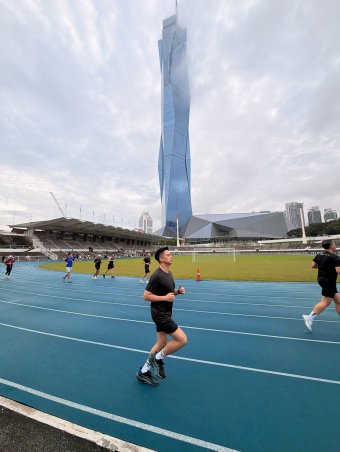
A run-cation requires basic planning. Location becomes strategic, particularly in terms of proximity to safe, well-connected running routes. Timing also matters. Tools such as Google Maps and Strava are sufficient for planning, while early morning runs remain the most practical – avoiding traffic, heat, and congestion. While solo runs remain the default for many, local run clubs present an alternative way of navigating unfamiliar routes.
The most common issue is logistics. Race entries are limited, and late planning increases costs. With preparation, however, the structure is simple. The run becomes the anchor of the trip.
Running offers a different way to explore a city. It moves through business districts before they fill, along streets before traffic builds, and into areas that might otherwise be overlooked. Travel becomes less about arrival, and more about how one moves through a place.