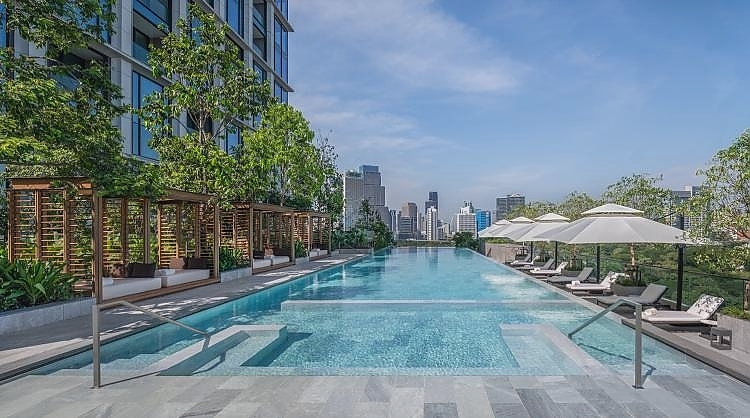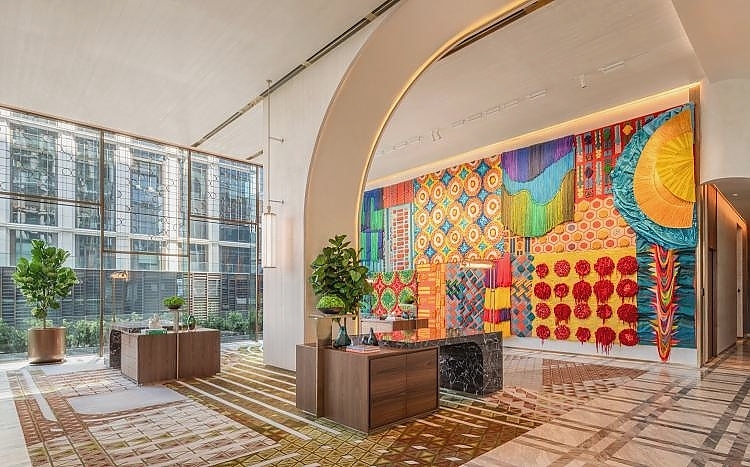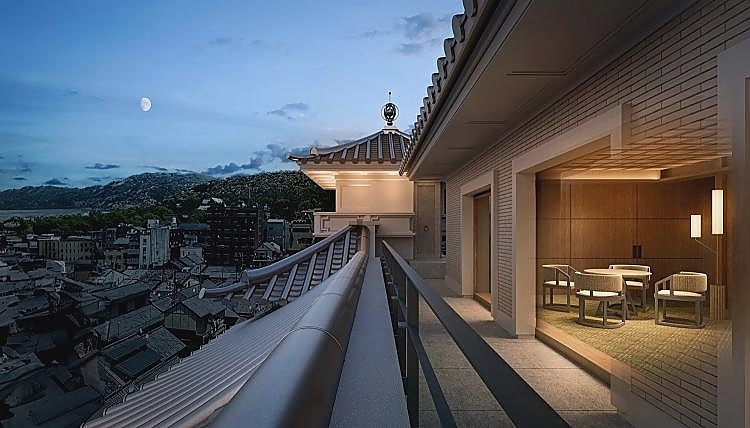






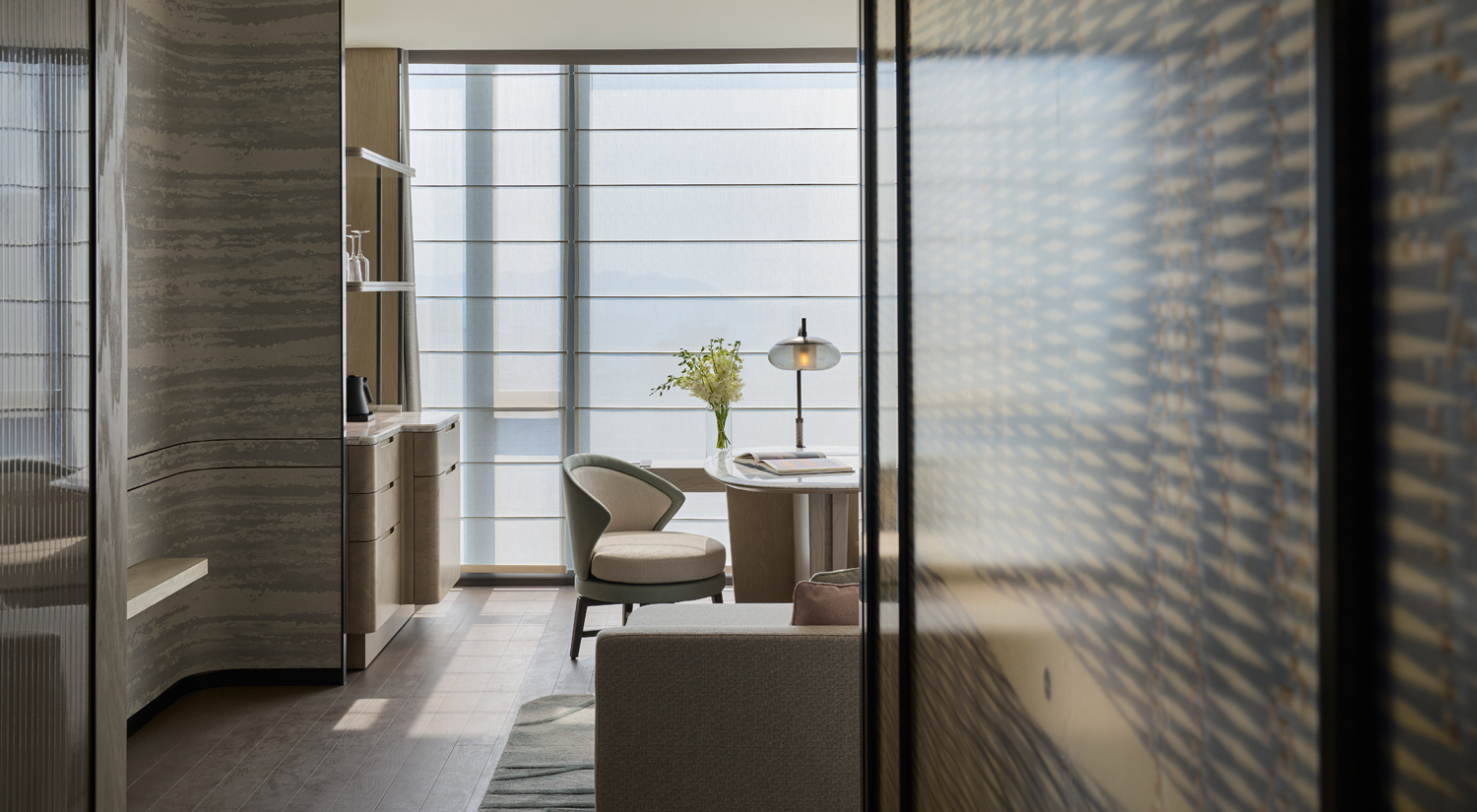
What kind of hotel truly wins the hearts of its guests? Some people value service, while others prioritise location — everyone has their own standards. For luxury hotels, however, what leaves a lasting impression is often more than just impressive hardware or amenities; it is the ability to create a complete and immersive experience. Beyond grand interiors, well-appointed facilities, and attentive hospitality, design plays an essential role. In addition to showcasing spatial aesthetics, great design conveys a brand’s spirit and cultural identity. Every detail — from material selection and lighting composition to visual storytelling and symbolic meaning — shapes whether guests can genuinely connect with the soul of a space.
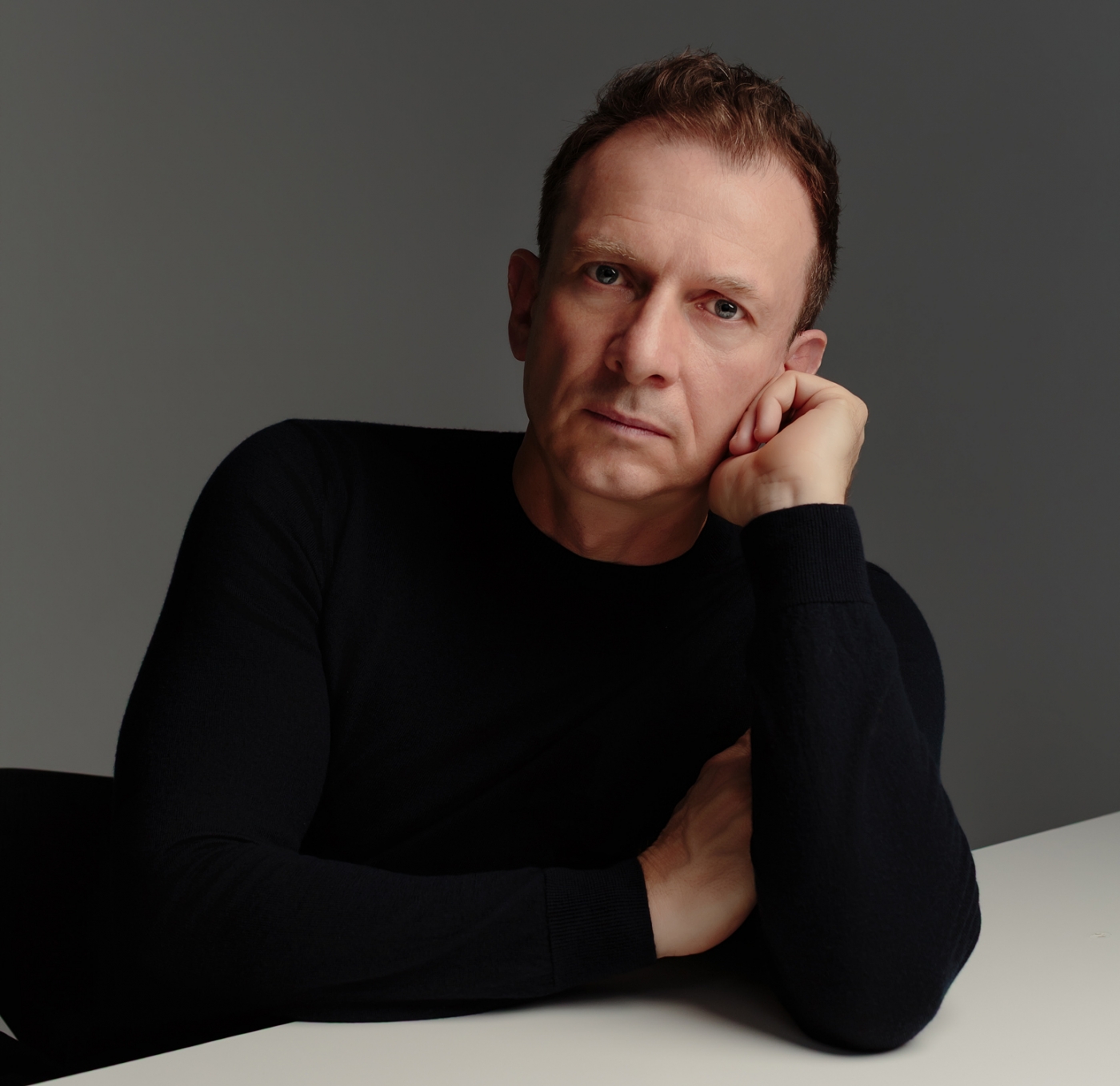
For this cover story, we invited Avalon Collective founder and Principal Design Director Cedric Jaccard for an exclusive interview. He shares his insights and philosophy on luxury hospitality design while taking readers through several signature projects. In addition, we turn our attention to some of Asia’s most talked-about new luxury hotels as we explore the design concepts behind these remarkable hospitality destinations.
IMFC: How would you define Avalon Collective’s core philosophy in hotel design?
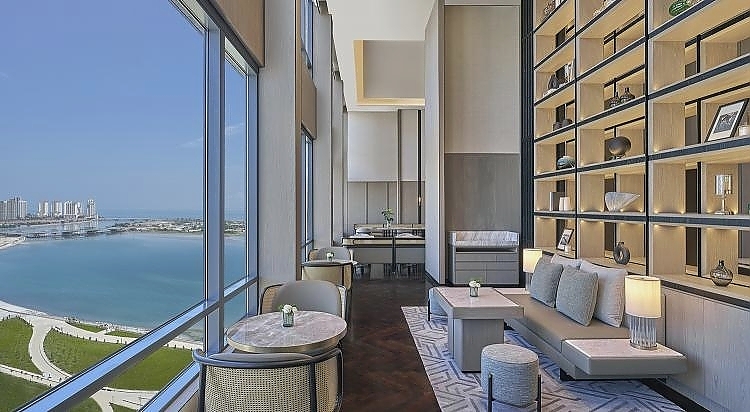
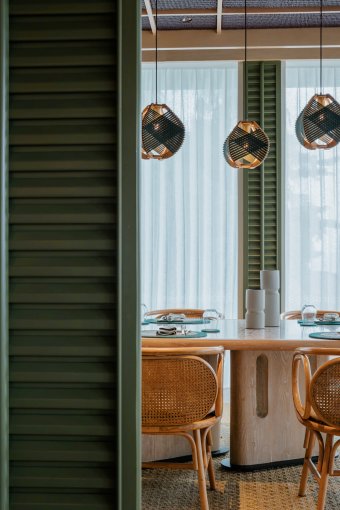
CJ: We shape spaces to create a unique destination experience. Rather than relying on a fixed style, we approach every project with a fresh perspective, responding to the context, story, and experience we want to create. This mindset guides our creative direction across projects. At Elara Seaside Lounge, the focus was on crafting intimate, sensory experiences, even introducing sand into a hilltop setting to create an unexpected connection to the seaside. In each case, the goal is the same, to design spaces that are immersive, distinctive, and with a clear narrative, while allowing each project to express its own character.
IMFC: In your hotel projects, how do you balance a global aesthetic with local cultural elements to create spaces that feel both internationally appealing and contextually grounded?
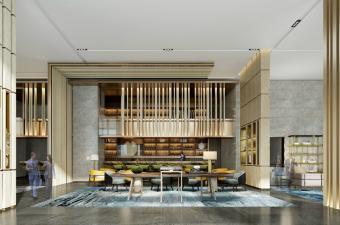
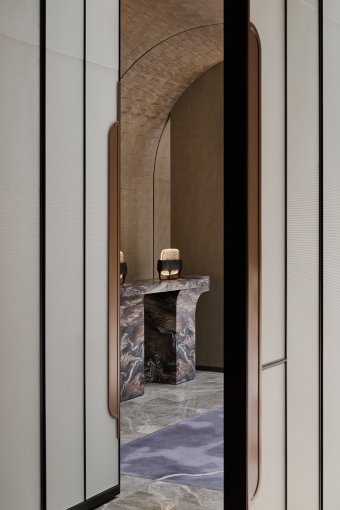
CJ: We balance a global aesthetic with local cultural elements by starting with a deep understanding of the project’s sense of place, history, atmosphere, and everyday experiences. Rather than directly replicating traditional forms or motifs, we reinterpret these influences in a contemporary way. At the Four Seasons Hangzhou Centre, for example, we introduced a series of Hangzhou-inspired moments throughout the space that subtly reflect the city’s character, creating a layered experience that resonates with both global travellers and local guests.
IMFC: What do you consider the most critical elements of guest experience in contemporary hotel design?
CJ: Planning is fundamental in shaping the guest experience, as it sets the framework for how people move, feel, and interact within a space. In contemporary hotel design, we see spatial flow, sequencing, and moments of discovery as some of the most critical elements, they influence everything from first impressions to how a guest remembers their stay. At the Four Seasons Suzhou Centre, for example, thoughtful planning was used to seamlessly connect indoor and outdoor spaces. The “one step, one view” concept guides guests through the hotel, with each transition revealing a carefully framed perspective. This not only sets the tone of the space, but also reinforces and amplifies the core concept, creating a cohesive and immersive journey throughout the property.
IMFC: How does Avalon Collective approach sustainability in hotel design? Are there particular materials or strategies that you prioritize?
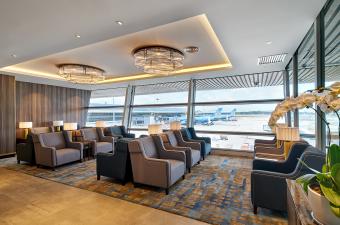
CJ: Sustainability in hospitality can be complex, especially given that hotel interiors typically have a lifecycle of around seven years, so our focus begins with designing for durability from the outset. One of our key strategies is investing in high-quality, timeless furniture and finishes that can withstand heavy use over time, reducing the need for frequent replacement and minimising waste. Equally important is how we approach renovation projects. Instead of starting from a blank slate, we carefully assess what can be retained, reused, or reinterpreted. At Hilton Singapore Orchard’s Ginger.Lily, we reused existing travertine from the original lobby and integrated it into the Lobby Lounge, reducing unnecessary demolition and production.
IMFC: How do you see hotel design evolving over the next 5–10 years? Are there emerging concepts or technologies that you believe will significantly shape the industry?
CJ: Hotel design is moving closer to lifestyle and culture, with a growing overlap between hospitality, retail, branding, and social spaces. Hotels are no longer just places to stay, they’re becoming platforms for experience, identity, and community. Over the next 5–10 years, we see mid-scale hotels in particular differentiating themselves through stronger brand collaborations. These partnerships can give each property a clear and distinctive identity, moving away from generic, standardised environments. Concepts like a Gentle Monster Hotel or Aesop Hotel will illustrate how hotels could evolve into curated, brand-driven spaces that blur the boundaries between accommodation, retail, and cultural experience.
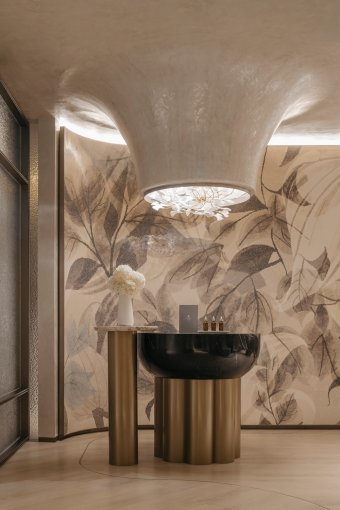
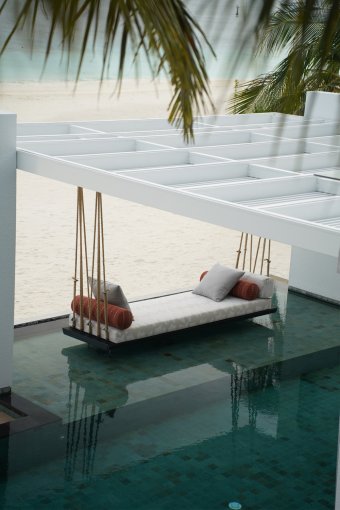
About Avalon Collective
Based in Singapore, it is an interior design consultancy with over 50 professionals specialising in luxury hospitality. Dedicated to crafting spatial experiences, they seamlessly integrate interior and architecture, considering visceral elements to create spaces that evoke lifestyle quality and deliver a memorable experience. Their commitment extends to diverse projects, including luxury hotels, boutique hotels, luxury residences, and retail spaces, with a portfolio spanning various countries and regions.
Cedric Jaccard - Principal Design Director & Founder
With more than 20 years of hospitality experience and mastery in his craft, he is fearless in breaking planning typology.