







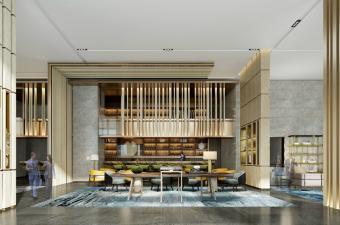





What kind of hotel truly wins the hearts of its guests? Some people value service, while others prioritise location — everyone has their own standards. For luxury hotels, however, what leaves a lasting impression is often more than just impressive hardware or amenities; it is the ability to create a complete and immersive experience. Beyond grand interiors, well-appointed facilities, and attentive hospitality, design plays an essential role. In addition to showcasing spatial aesthetics, great design conveys a brand’s spirit and cultural identity. Every detail — from material selection and lighting composition to visual storytelling and symbolic meaning — shapes whether guests can genuinely connect with the soul of a space.
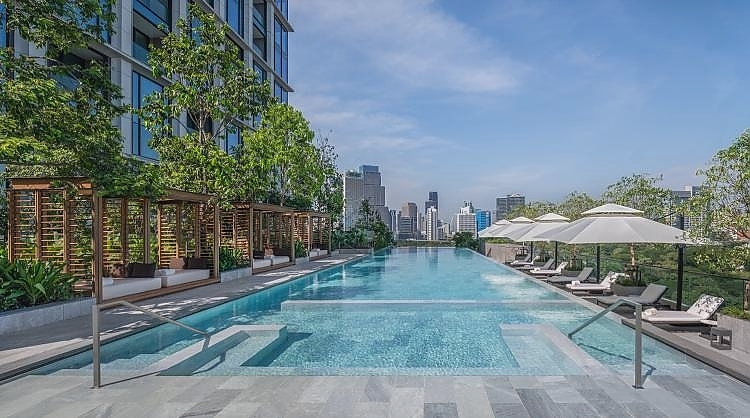
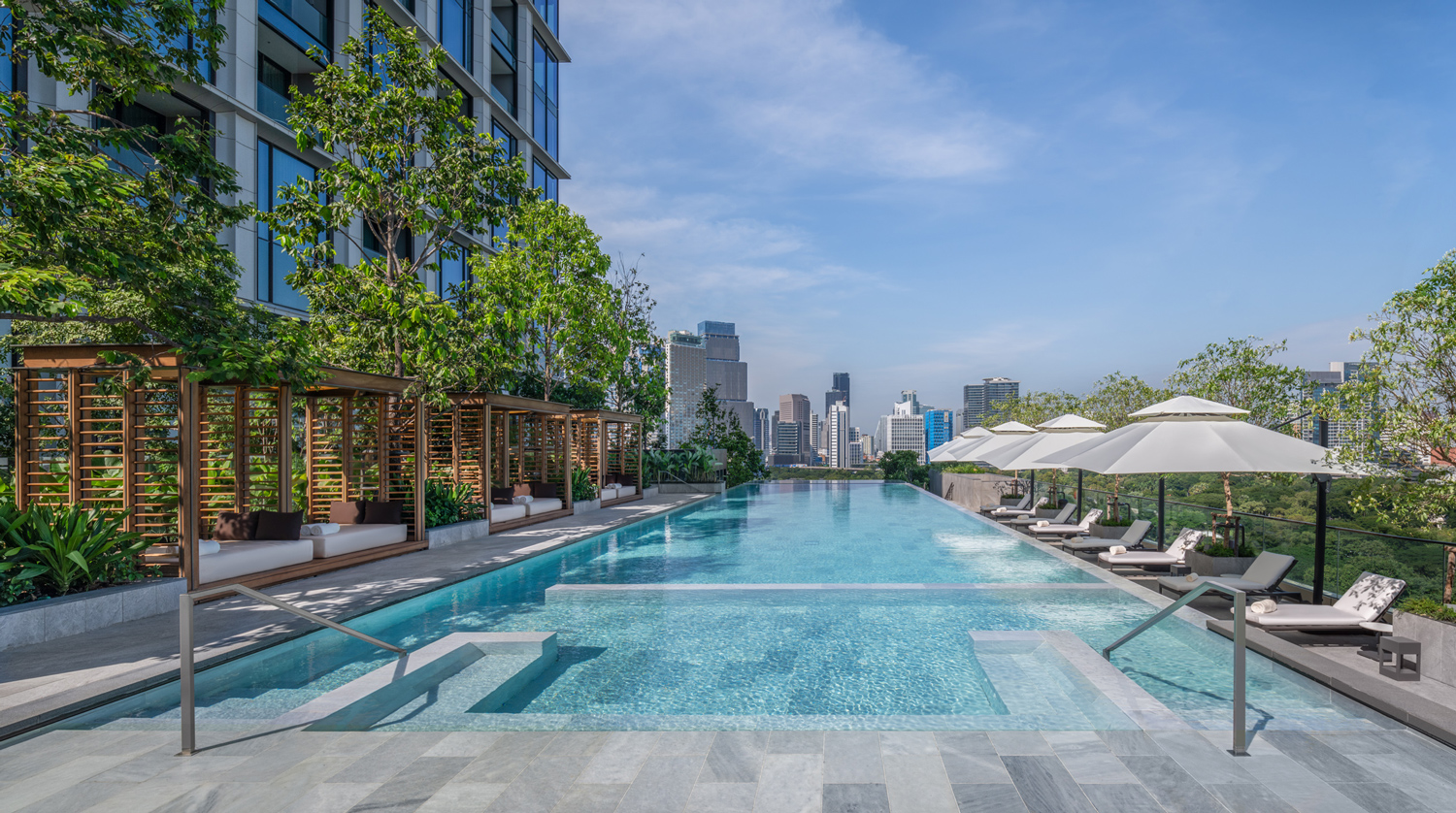
With a signature address on Wireless Road, The Ritz-Carlton, Bangkok is perfectly positioned to showcase the proud heritage of Bangkok’s architecture while signalling the limitless potential of the city’s future. The tower rises from the street and anchors the One Bangkok development like a pillar on the edge of Lumpini Park.
The visionary architects at Chicago-based SOM and Thailand’s A49 have designed a building façade featuring gracefully ascending open-air terraces that provide sweeping views of Lumpini Park and the city’s skyline. Inside, Thailand’s premier interior design studio, PIA Interior, captures the past, present, and future legacy of The Ritz-Carlton, Bangkok through spaces that evoke timeless elegance and modern sophistication.


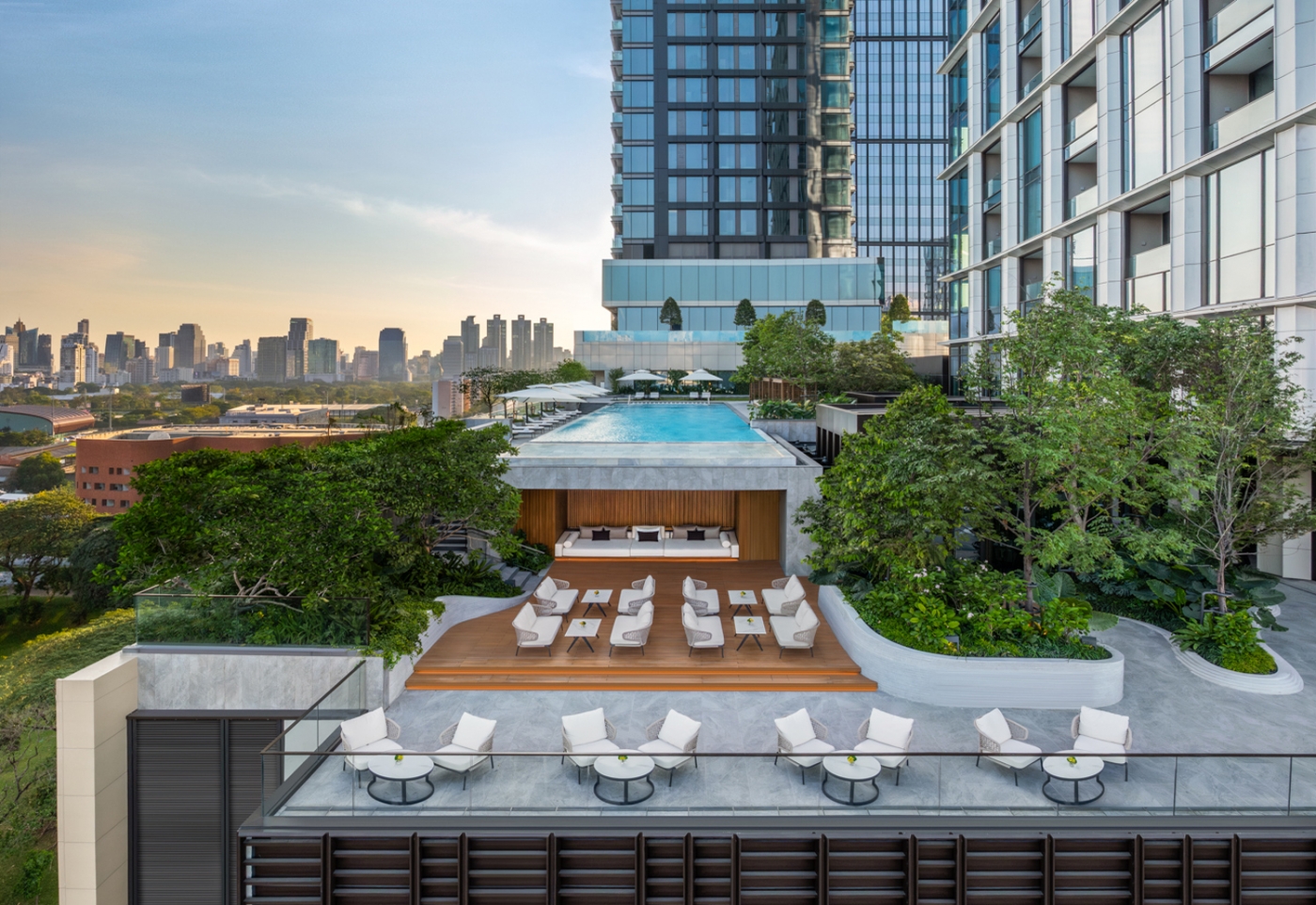
The 216-metre-tall building has a form and detailing that are carefully considered, incorporating fluted elements often found in traditional Bangkok architecture, open-air terraces that create unparalleled views, and outdoor loggias high above the skyline. Integrated landscape features are woven throughout the tower’s height. This is a building intentionally respectful of heritage while oriented toward the future. It is designed not to be trendy, but timeless—a resort in the city that is both an escape and a connection to one of the world’s great urban centres.
Inspired by the concept of a “Meeting of Two Civilizations,” The Ritz-Carlton, Bangkok stands as a cultural beacon embracing the vibrant capital built upon a rich and storied heritage. In the 1800s, Thailand envisioned a global future, blending cherished traditions with international influences. Today, Bangkok continues to radiate worldly charm, and The Ritz-Carlton, Bangkok reflects this dynamic culture through a refined lens—welcoming guests into a restorative, contemporary oasis.
A captivating blend of classic Thai artistry and contemporary design defines the hotel’s 260 rooms and suites, ranging from 50 sqm to 389 sqm in the Ritz-Carlton Suite, the most luxurious penthouse hideaway. Floor-to-ceiling windows frame breathtaking views of the city.
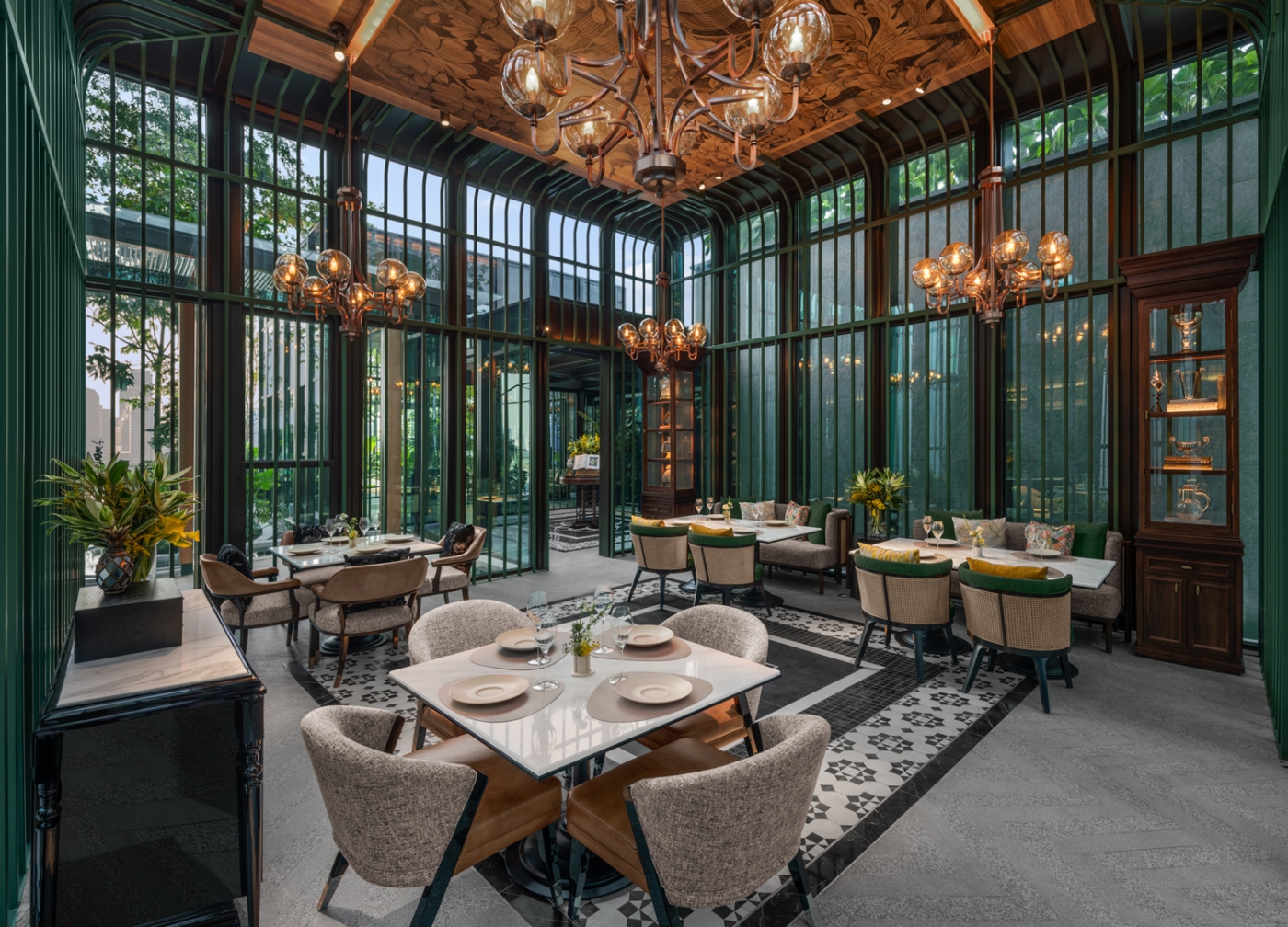

The Ritz-Carlton, Bangkok exudes cultural opulence, with a concept inspired by the Thai contemporary design of noble houses from the King Rama V era. This period marked a vibrant cultural exchange between Siamese traditions and Western influences. Its exclusive location on Wireless Road, which for over a century has served as a lively centre for foreign visitors and embassies, became a crossroads where East and West interacted, exchanging knowledge and ways of living.
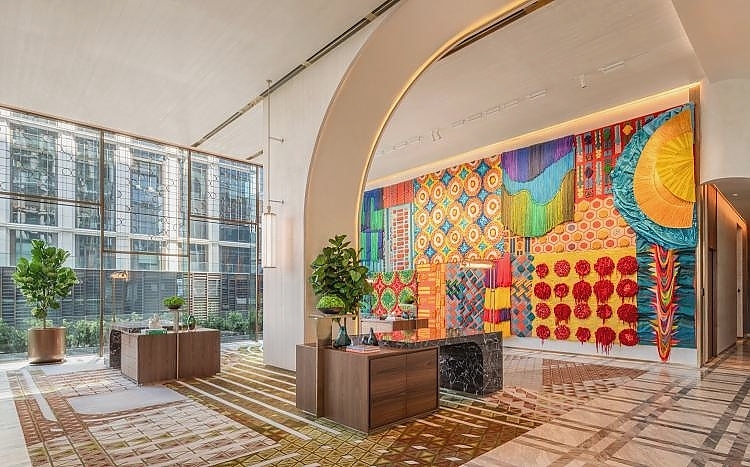
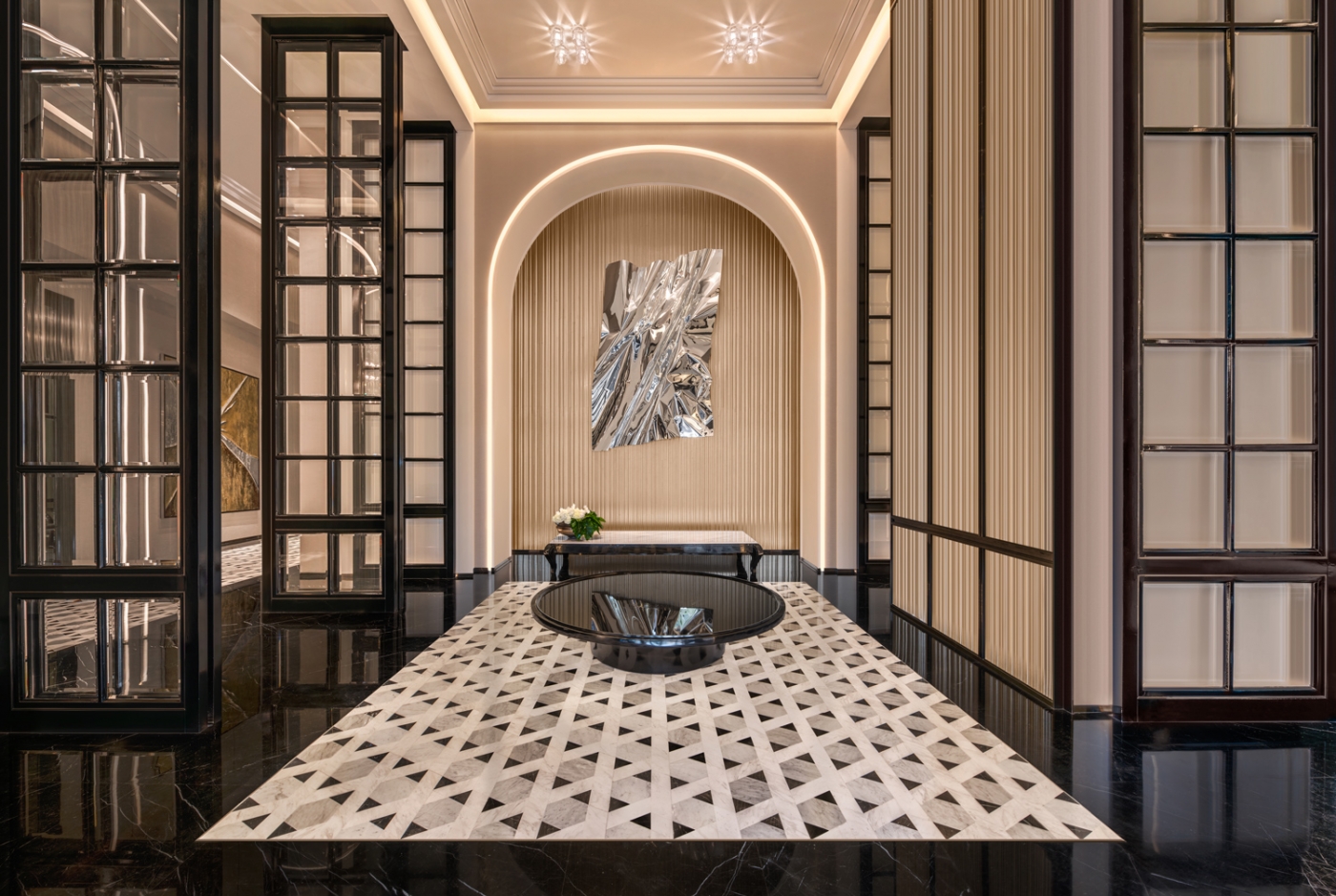
The design narrative reflects the imagined lifestyle of a noble house owner whose residence is adorned with art collections and artefacts gathered from journeys around the globe. The interiors are illuminated through a harmony of visual aesthetics and emotive influences, merging to create grand arrangements that are both unique and intuitively familiar. A key feature of the design is the neo-Renaissance arch, inspired by the Ananta Samakhom Throne Hall. This iconic element blends neo-Renaissance and neo-Classical architectural styles (circa 1851–1857), offering an elegant focal point that evokes timeless sophistication.
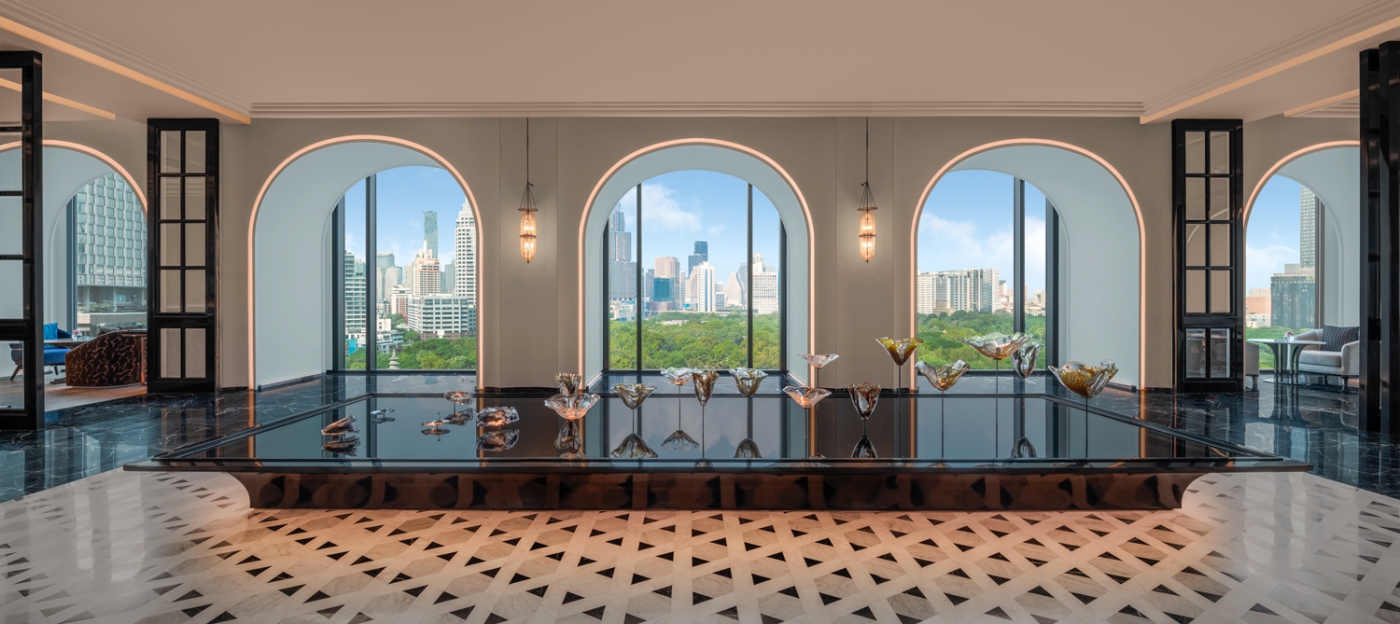
Another cultural highlight is the lotus pond, inspired by Sa Pathum Palace. Positioned at the hotel’s welcome area, it serves as both a cultural showcase and a symbol of peace and abundance. The flooring further integrates Thai cultural identity, featuring patterns reminiscent of the Phikun Flower (Spanish Cherry), which carries auspicious meanings in tradition.
Throughout the design, Thai symbols and motifs—such as garlands and floral patterns—are thoughtfully incorporated to create a warm and noble ambience. These elements reflect the hospitality and grace intrinsic to Thai culture, offering guests a memorable and meaningful welcome.
The Ritz-Carlton, Bangkok
Address: 189 Wireless Road, Lumpini, Pathumwan, Bangkok, Thailand, 10330
Website: www.ritzcarlton.com/en/hotels/bkkrb-the-ritz-carlton-bangkok/overview/
Facebook: www.facebook.com/TheRitzCarltonBangkok/
Instagram: www.instagram.com/theritzcarltonbangkok/