










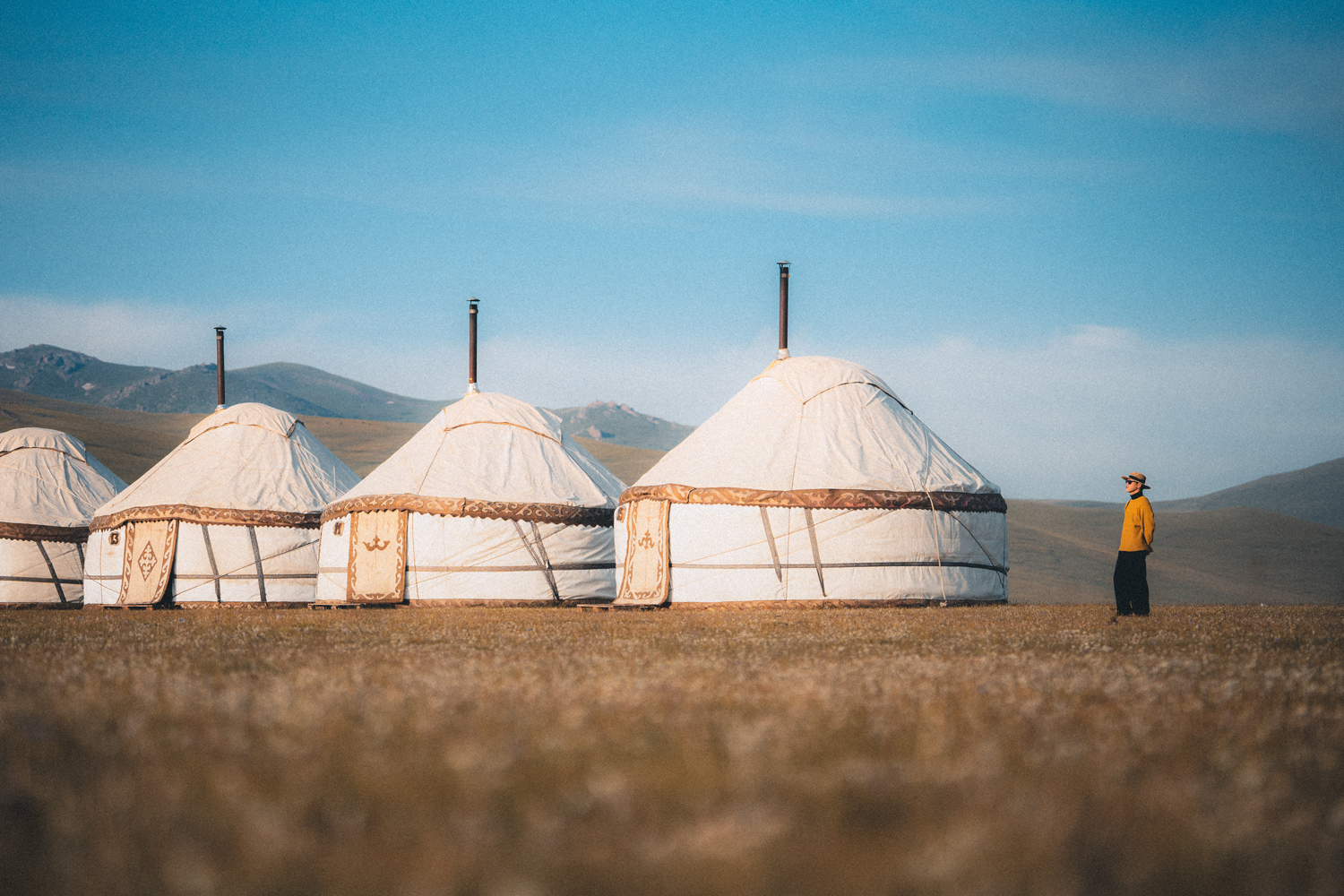
As a contributing photographer for IM FIRST CLASS magazine, readers are likely already familiar with travel writer and photographer Ling Doh Kin. His work has been widely published across major Chinese- and English-language media in Malaysia and Singapore, and some long-time followers may even remember him from the early days of the Bigfoottraveller.com. Known for his ability to capture light and shadow, DK creates photography that is rich in narrative and warmth, leaving a lasting impression. At the end of last year, he independently published his first photobook, Komorebi – Stories of Light. Built around the concept of “Komorebi” (light), the book gathers 380 images captured across his journeys worldwide, interwoven with short travel essays.
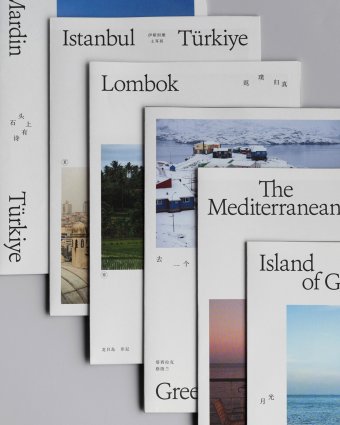
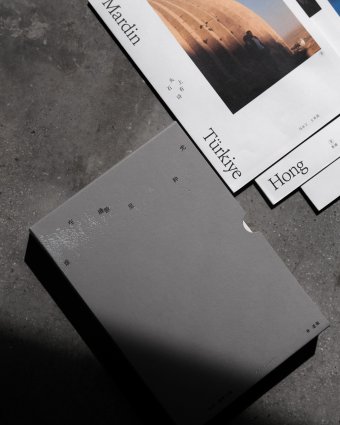
The book is presented as a set of 24 posters in a distinctive “poster book” format Each poster is hand-folded from B2-size sheets (50cm x 70.4cm) into B5 size (17.6cm x 25cm) and stored in a box. Readers can randomly pick up a sheet, read it like a book with text and images page by page, or fully unfold it to reveal a large-format poster.
In an age dominated by fast, screen-based consumption, printed media such as newspapers and books are steadily being overshadowed. Through this publication, he hopes to revive the pleasure of physical reading, offering a tactile and visual experience that digital platforms cannot replace.
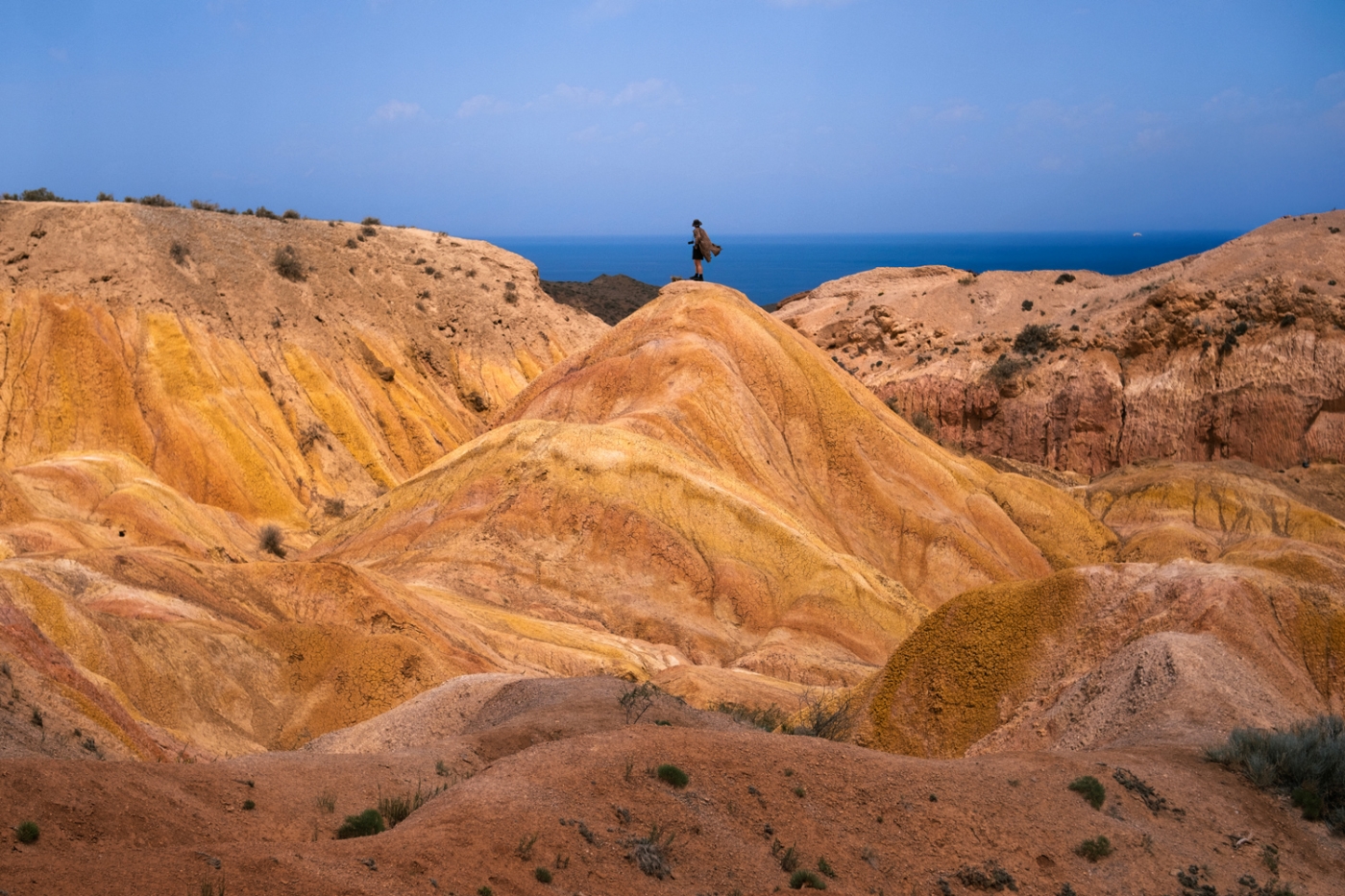
On the occasion of the book’s release, we conducted an interview with DK.
IMFC: What led you to start the travel website Bigfoottraveller.coms?
DK: Back in 2010, I founded Bigfoottraveller.com with a simple intention: to gather people who love travel, photography, and writing into one online platform. I wanted it to be a place where stories and visuals could spark a desire to explore, while also offering practical tips and insights along the way.
IMFC: Was that how your path as a travel writer and photographer began?
DK: I think it unfolded quite naturally over time. It wasn’t something I set out to do at the beginning. As my writing and photography gained recognition from peers and editors, I grew in confidence and found more joy in the process. Eventually, it opened up as a career path.
IMFC: Between writing and photography, which do you prefer more?
DK: Deep down, I think there’s more photographer in me than writer. I feel most at ease when I document the world through my lens. Words help me convey the unspoken details - time, atmosphere, and untold stories. I don’t really mind if an editor edits my text, but the design and layout have to appeal to my eye. Ultimately, they decide whether a reader stays or leaves.
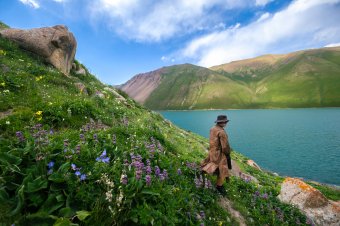
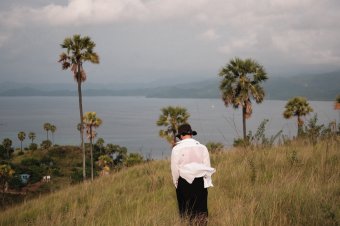
IMFC: As mentioned in your book, you grew up on a rubber plantation. Did your childhood resemble that of a kampung boy, filled with carefree days of wandering, playing, and exploring nature?
DK: Absolutely! Catching spiders in cacao plantations, scooping fish from the river, and gathering rubber tree seeds are some of my fondest childhood memories. By the age of 11, I was already riding a motorbike through the rubber plantations.
IMFC: So when you travel, do you tend to prefer places away from the hustle and bustle?
DK: Yes, and they are often subconscious decisions. It was during the process of producing Komorebi – Stories of Light that I discovered something deeply close to my heart. Recently, I came across a phrase at SAKA Museum in Bali: “Silence is the mirror of your soul.”I was drawn to it immediately. I live in a fast-paced, highly energetic city, so I value any moment I can slow down - to observe, and to photograph.
IMFC: How many countries or cities have you visited so far? Excluding Malaysia and Singapore, where have you been the most? And where are you most eager to go next?
DK: To date, I’ve visited over 50 countries and countless cities. I often find myself returning to places I’ve been before - it brings a sense of ease, almost like briefly living in a city. And I find real joy in discovering quiet corners hidden inside even the busiest places. I’ve been to Bangkok countless times, Barcelona five times, Paris and Istanbul three times each, and Iran twice. Jordan and Yemen’s Socotra are high on my to-visit list . I’d love to see Wadi Rum, and to witness the Dragon’s Blood Tree and Bottle Tree at least once in my lifetime.
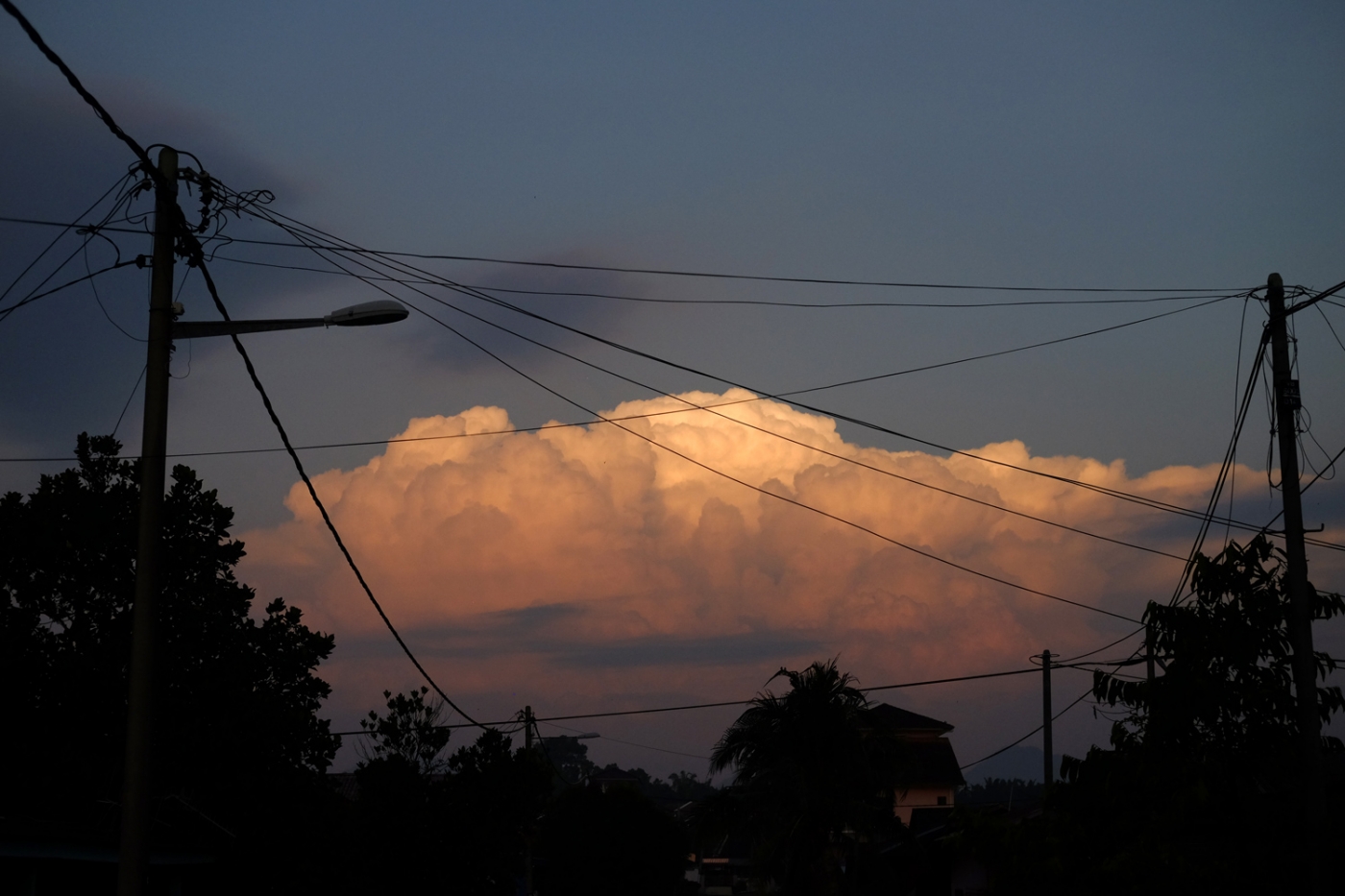
Changkat Keruing–Malaysia
In the 1990s, Changkat Keruing was named Malaysia’s most beautiful village for three consecutive years. This place used to be DK’s grandmother’s home, and now it has become his mother’s home.
“The number of people in Changkat Keruing is decreasing, quite clearly. As the older generation passes on, the younger generation no longer returns in the same way. What remains unchanged, however, is the warmth of the place - like my grandmother’s house, where familiarity and a quiet sense of longing still linger.”
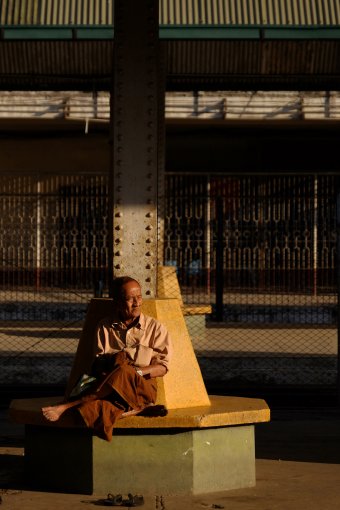
Yangon–Myanmar
While in Yangon, DK captured countless images exploring light and shadow, revisiting the same spots day after day to press the shutter.
“To me, Yangon is simple, kind, and tender. The light in this port city is something else entirely - it gives life to even the most decaying buildings. The everyday rhythms of its people are a beautiful sight to behold.”
Mauritius
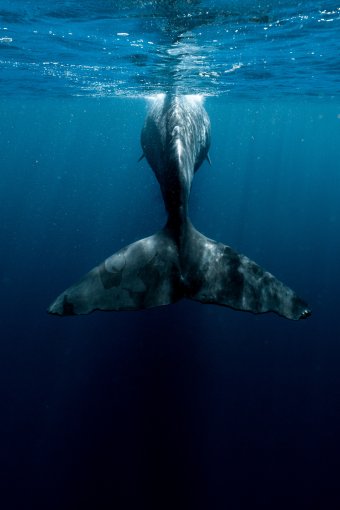
DK documents his encounter with sperm whales in Mauritius in the book, making it one of the most striking and unforgettable chapters.
“The waters around Mauritius are a year-round playground for sperm whales, and the chances of encountering them are high. At the same time, there’s an unexpected sense of familiarity - the weather, the colonial architecture, even the occasional Proton on the road. It may not captivate at first, but the moment you glimpse a majestic sperm whale, it all feels worth it - it stays with you.”
Senegal
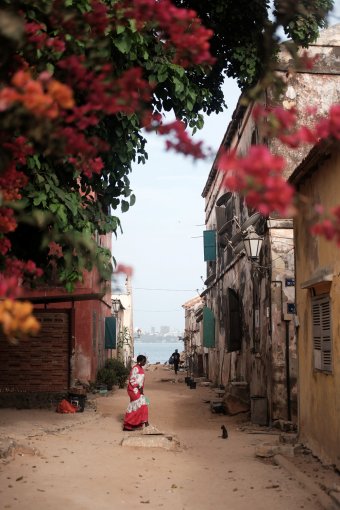
Senegal isn’t exactly a mainstream travel destination, and many people still carry certain negative stereotypes about Black communities. DK visited Island of Gorée and Saint Louis, and had a pleasant journey.
“Visa-free for Malaysians and relatively safe, Senegal is a good starting point for exploring African culture. As for stereotypes, I think it’s something you have to experience for yourself to truly understand–Iran is a great example. I’ve always believed there are more good people in the world than bad - but it’s still important to trust your instincts and stay aware.”
Iran
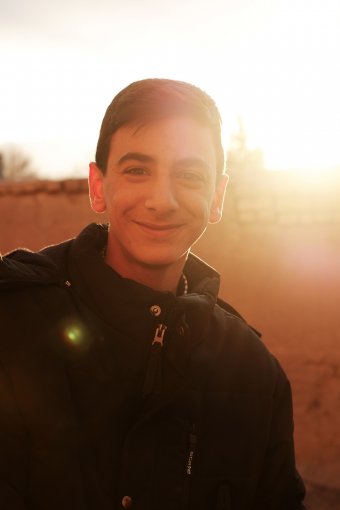
With tensions in Iran today, DK looks back on the country in deep reflection: “There are simply too many good things to say about Iran. Beyond its vibrant landscapes and culture, it’s the people who stay with me the most - truly extraordinary.”
Norway
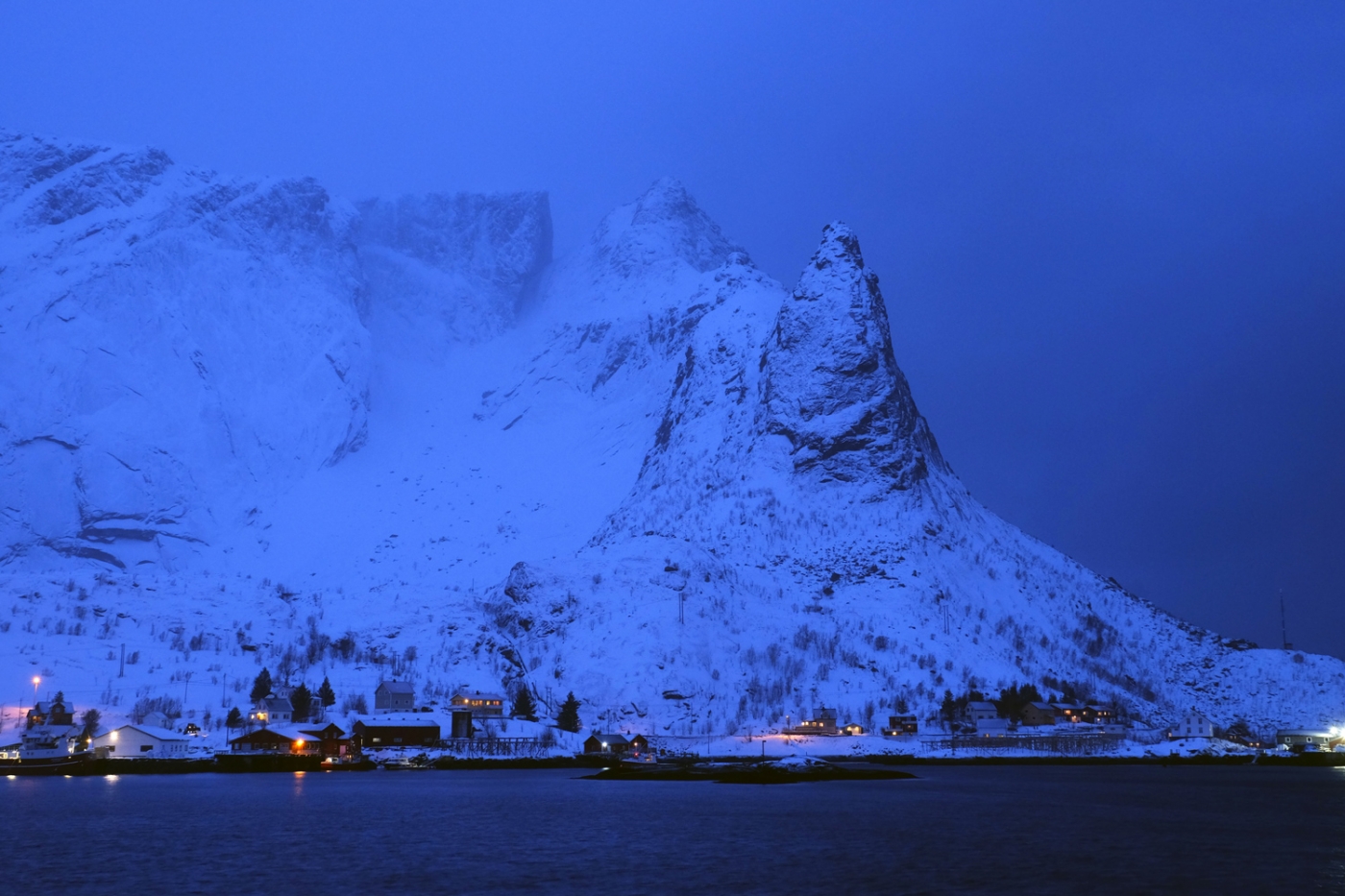
Don has travelled across many mountains and experienced different winters in various countries. Is winter the best way to experience the Lofoten Islands?
“When Lofoten is blanketed in snow, there’s a quiet, striking purity to it. The boundaries between mountains and sea, sea and sky, begin to dissolve. On misty days, it resembles a mysterious black-and-white painting. Winter may not be the most comfortable time to explore, but it is undeniably unique.”
* If you’d like to get a copy of Ling Doh Kin’s photobook Komorebi – Stories of Light, it’s available via the official site (http://www.lingdohkin.com/book/), as well as at leading independent bookstores and online retailers throughout Malaysia.